

4D Bioprinting of Gum Tissue: Revolutionizing Dental Implant Integration
In recent years, the field of 4D bioprinting has emerged as a groundbreaking innovation in regenerative medicine and dentistry. This cutting-edge technology takes traditional 3D printing to the next level by incorporating time as the fourth dimension, enabling printed structures to change shape or function in response to biological stimuli. One of the most promising applications of this technology is the creation of artificial gum tissue that can adapt and integrate seamlessly with dental implants. By using materials responsive to biological signals, 4D bioprinting of gum tissue offers a transformative solution for improving implant integration, reducing recovery times, and enhancing patient outcomes.
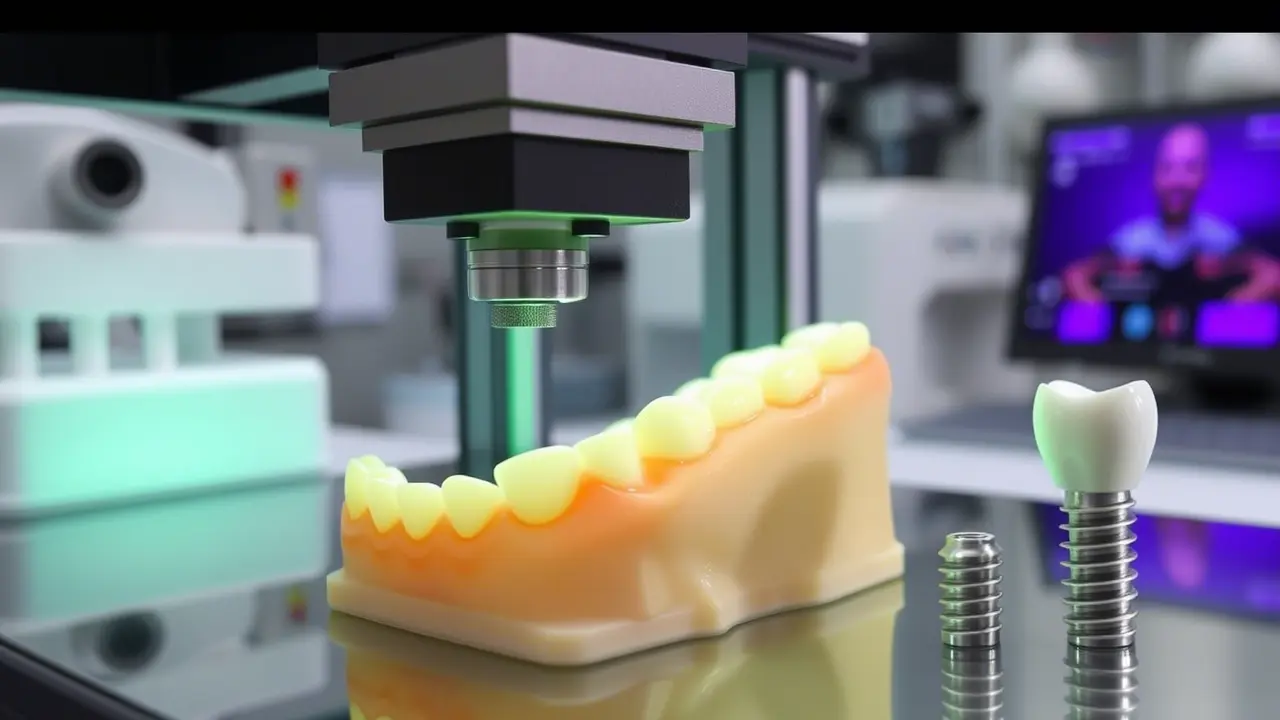
What is 4D Bioprinting?
At its core, 4D bioprinting involves the fabrication of living tissues using bioinks—materials infused with living cells—that are designed to evolve over time. Unlike traditional 3D printing, which produces static structures, 4D printing introduces dynamic elements. These structures can respond to external stimuli such as temperature, pH levels, or mechanical stress. In the context of gum tissue regeneration, this means creating artificial gums that can adapt to the unique biological environment of each patient’s mouth, promoting faster healing and better integration with dental implants.
The Importance of Gum Tissue in Dental Implants
Gum tissue plays a critical role in the success of dental implants. Healthy gums provide structural support, protect underlying bone, and create an aesthetic appearance. However, patients with gum disease, trauma, or congenital defects often lack sufficient gum tissue for successful implant placement. Traditional methods of gum reconstruction, such as grafting, can be invasive, costly, and prone to complications.
This is where 4D bioprinting of gum tissue steps in as a game-changer. By leveraging advanced biomaterials and precise printing techniques, researchers are developing solutions that mimic the natural properties of gum tissue while offering enhanced functionality. These bioengineered tissues can respond dynamically to changes in their environment, ensuring optimal integration with implants and long-term stability.
How 4D Bioprinting Enhances Gum Tissue Regeneration
Responsive Materials for Biological Adaptation
One of the key advantages of 4D bioprinting lies in its use of smart materials. These materials are engineered to respond to specific biological cues, such as inflammation, mechanical pressure, or growth factors. For example:
- Hydrogels : These water-rich polymers can swell or shrink in response to changes in pH or temperature, mimicking the natural behavior of gum tissue.
- Shape-Memory Polymers : These materials can “remember” their original shape and return to it after deformation, providing structural integrity during the healing process.
By incorporating these materials into the bioprinting process, scientists can create artificial gums that not only fit perfectly but also adapt to the dynamic conditions within the oral cavity.
Improved Implant Integration
The integration of dental implants relies heavily on the quality of surrounding soft tissue. Poorly integrated implants can lead to complications such as peri-implantitis, a condition characterized by inflammation and bone loss around the implant site. With 4D bioprinted gum tissue , the risk of such complications is significantly reduced. The responsive nature of the printed tissue ensures that it forms a tight seal around the implant, preventing bacterial infiltration and promoting osseointegration (the fusion of the implant with the jawbone).
Faster Recovery Times
Traditional gum reconstruction procedures often require multiple surgeries and extended recovery periods. In contrast, 4D bioprinted tissues are designed to accelerate healing by promoting cell proliferation and vascularization. This reduces the overall treatment time and improves patient comfort.
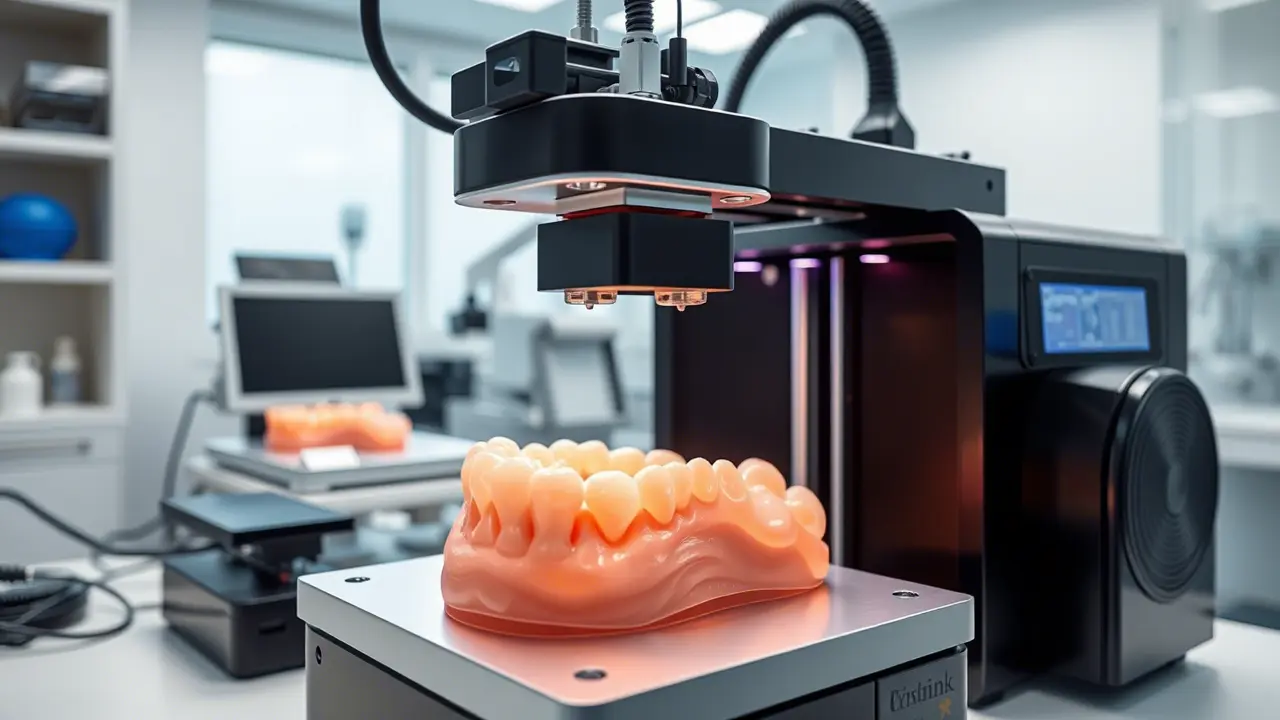
Comparative Analysis: Traditional Methods vs. 4D Bioprinting
To better understand the advantages of 4D bioprinting of gum tissue , let’s compare it with conventional techniques:
As shown in the table above, 4D bioprinting outperforms traditional methods in terms of customization, recovery time, and complication rates. While initial costs may be higher due to the advanced technology involved, the long-term benefits make it a worthwhile investment.
Current Trends and Statistics in 4D Bioprinting
The global market for bioprinting technologies is projected to reach $4.1 billion by 2030 , growing at a compound annual growth rate (CAGR) of 18.5%. Within this sector, dental applications are gaining significant traction. According to a 2022 report by Grand View Research:
- Over 60% of adults worldwide suffer from some form of gum disease, highlighting the urgent need for innovative solutions.
- The demand for dental implants is expected to grow by 7% annually , driven by aging populations and increasing awareness of oral health.
These statistics underscore the immense potential of 4D bioprinting of gum tissue to address unmet clinical needs and revolutionize the field of dentistry.
Challenges and Future Directions
While 4D bioprinting of gum tissue holds tremendous promise, several challenges remain:
- Material Development : Creating bioinks that are both biocompatible and mechanically robust is a complex task.
- Regulatory Approval : Ensuring compliance with stringent safety standards is essential before widespread adoption.
- Scalability : Scaling up production to meet clinical demands without compromising quality is another hurdle.
Despite these obstacles, ongoing research is paving the way for breakthroughs. For instance, advancements in machine learning and AI are being used to optimize bioprinting processes, making them more efficient and precise.
Why Choose 4D Bioprinting for Gum Tissue?
For dental professionals and patients alike, 4D bioprinting of gum tissue represents a paradigm shift in how we approach gum reconstruction and implant integration. By combining cutting-edge science with patient-centered design, this technology offers unparalleled benefits:
- Enhanced Precision : Tailored solutions for individual patients.
- Reduced Risk : Minimized chances of infection and rejection.
- Improved Outcomes : Faster healing and better aesthetics.
In conclusion, 4D bioprinting of gum tissue is poised to redefine the future of dentistry. As research progresses and technological barriers are overcome, we can expect to see widespread adoption of this revolutionary technique. Whether you’re a dentist looking to offer state-of-the-art treatments or a patient seeking the best care, embracing 4D bioprinting is a step toward a healthier, brighter smile.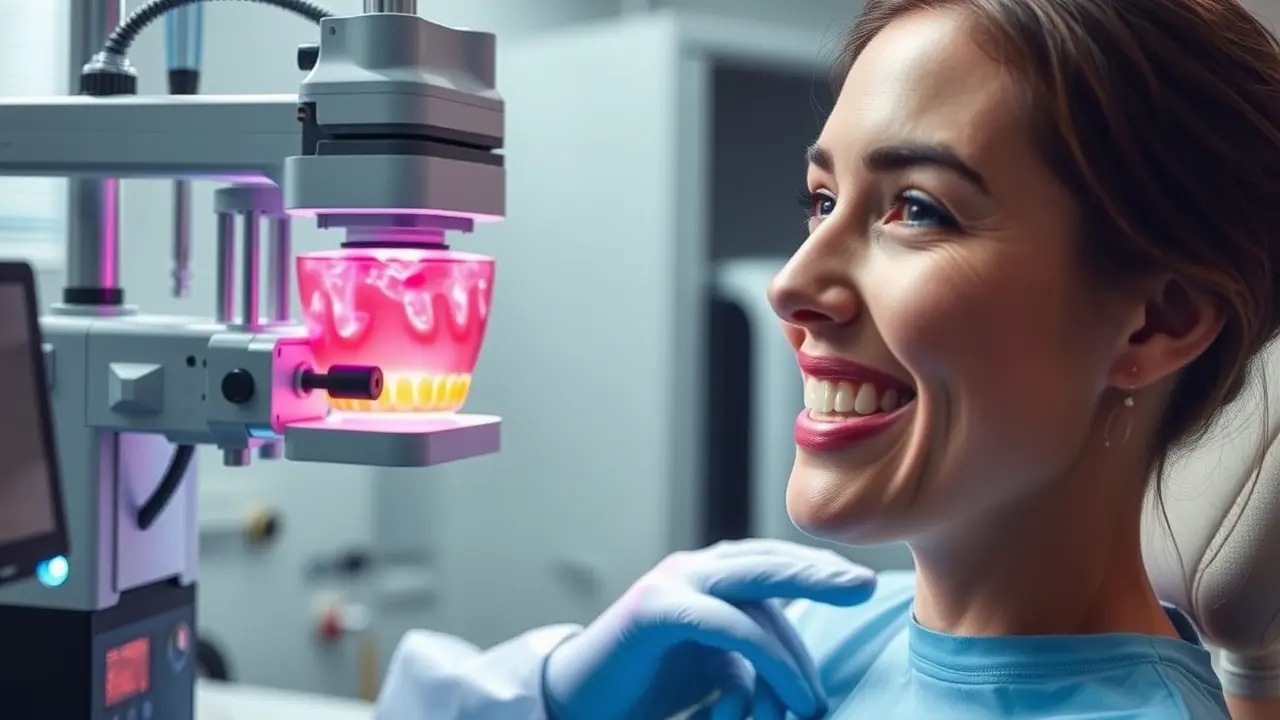
Are you ready to explore the possibilities of 4D bioprinting of gum tissue ? Stay informed about the latest developments in regenerative dentistry by subscribing to our newsletter. Together, let’s embrace the future of healthcare—one printed smile at a time!


