

Are Dental Implants Painful During Recovery? A Comprehensive Guide to Pain Management and Healing
Dental implants have revolutionized tooth replacement, offering a durable and natural-looking solution. However, a common concern among patients is: Are dental implants painful during recovery? This article dives deep into the recovery process, pain management strategies, and cutting-edge advancements that minimize discomfort. By combining expert insights, patient experiences, and updated statistics, we’ll address this critical question while optimizing for SEO through targeted keywords like “dental implant recovery pain”, “managing pain after implants”, and “how long does implant pain last?”

Understanding Dental Implant Surgery and Recovery
Dental implants involve surgically placing a titanium post into the jawbone, which acts as an artificial tooth root. While the procedure itself is performed under anesthesia, recovery pain is a natural part of the healing process. Modern techniques, however, have significantly reduced discomfort compared to traditional methods910.
Key Statistics on Dental Implant Success and Recovery
-
Success Rates: Dental implants boast a 90–98% success rate, with long-term survival exceeding 25 years17.
-
Failure Rates: Only 3.1% globally, rising to 6% in the U.S. due to factors like smoking or poor oral hygiene7.
-
Recovery Timeline: Most patients resume normal activities within 3–5 days, with full healing taking 3–6 months10.
Pain During the Procedure: What to Expect
“Will I feel pain during the surgery?” This is a top patient concern. The answer is no—local anesthesia or sedation ensures a pain-free experience. Advanced options include:
-
IV Sedation: Induces relaxation while keeping you conscious9.
-
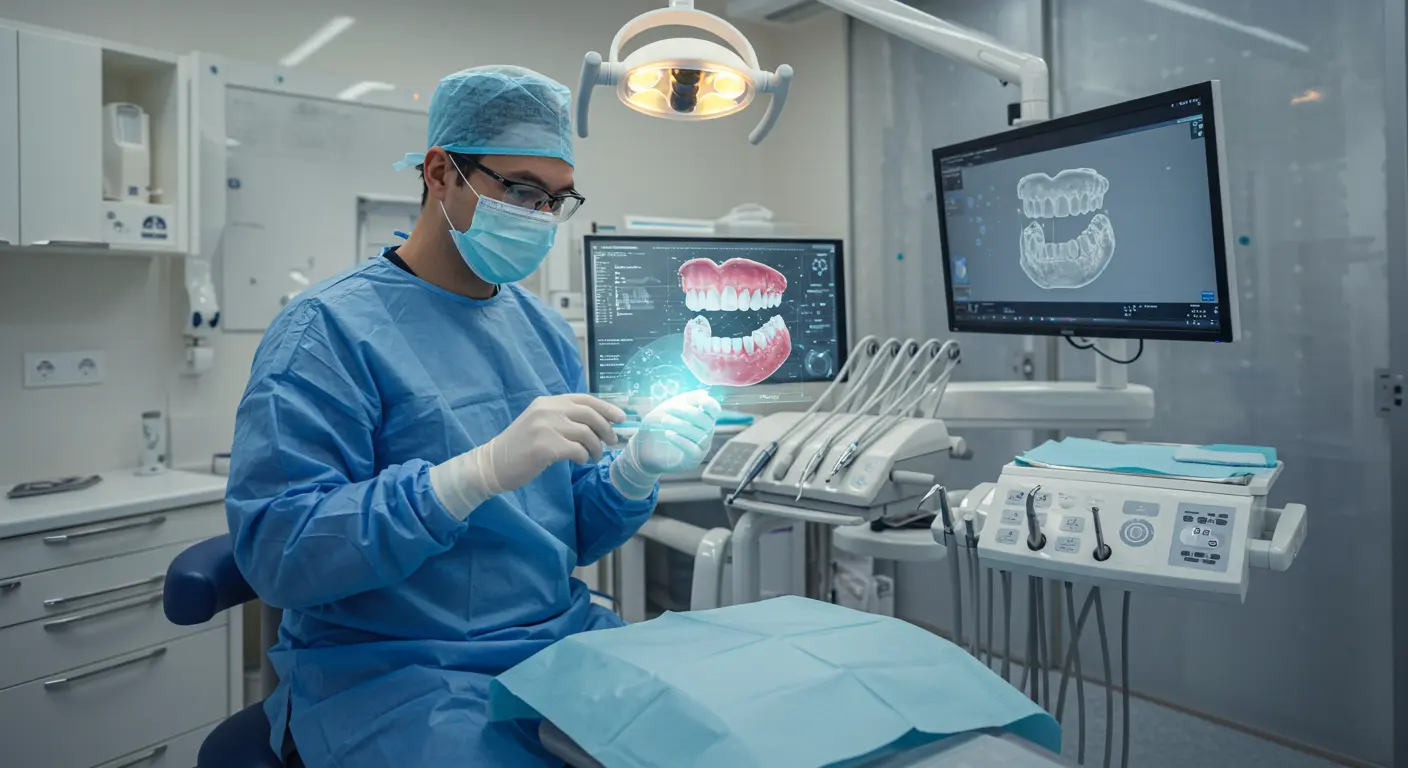
3D-Guided Surgery: Enhances precision, reducing tissue damage and postoperative pain9.
Post-Surgery Pain: Typical Timeline and Management
The First 72 Hours: Managing Acute Discomfort
After anesthesia wears off, mild to moderate pain is common. Here’s a day-by-day breakdown:
| Post-Op Day | Symptoms | Management Tips |
|---|---|---|
| Day 1 | Swelling, bleeding, sharp pain | Ice packs, prescribed analgesics, soft foods |
| Day 2–3 | Reduced bleeding; lingering soreness | Warm compresses, saltwater rinses |
| Day 4–7 | Minimal swelling; jaw stiffness | Gradual return to solid foods, gentle brushing |
Key Insight: A 2021 study found that 75% of patients reported difficulty eating on Day 1, but 80% resumed normal diets by Day 56.
Factors Influencing Recovery Pain
1. Surgical Technique
Modern methods like 3D-guided implants reduce invasiveness, leading to faster healing. Traditional surgery requires larger incisions, increasing postoperative discomfort9.
2. Patient Health
-
Smokers: Face a 20% higher failure rate and prolonged pain due to impaired healing1.
-
Diabetes or Gum Disease: Slow recovery and increase infection risks10.
3. Implant Location
Implants in the front jaw (aesthetic zone) often cause more swelling but resolve faster. Molar implants may lead to longer-term chewing discomfort6.
Advanced Techniques to Minimize Discomfort
Comparing Traditional vs. Modern Implant Methods
| Factor | Traditional Surgery | 3D-Guided Surgery |
|---|---|---|
| Incision Size | Larger, requiring stitches | Minimal, often stitch-free |
| Pain Duration | 5–7 days | 2–3 days |
| Accuracy | Manual placement, higher error risk | Computer-guided precision |
| Recovery Time | 7–10 days | 3–5 days |
Source: Blyss Dental9
Role of Anesthesia and Sedation
-
Local Anesthesia: Numbs the surgical site entirely10.
-
Oral Sedatives: Reduce anxiety, making the procedure feel quicker9.
When to Seek Help: Recognizing Complications
While rare, complications can escalate pain. Red flags include:
-
Severe Pain lasting >5 days10.
-
Fever, Pus, or Throbbing: Signs of infection10.
-
Loose Implant: Indicates failed osseointegration7.
Pro Tip: Follow your dentist’s post-op care plan rigorously—avoid smoking, hard foods, and strenuous activity to prevent setbacks9.
Long-Term Benefits vs. Short-Term Discomfort
Why Dental Implants Are Worth It
-
Prevent Bone Loss: Implants stimulate the jawbone, unlike dentures1.
-
Natural Function: 98.8% success rate for All-On-4 implants restores full chewing ability7.
-
Lifespan: With proper care, implants last decades, outperforming bridges or dentures1.
Patient Testimonials: Real Recovery Experiences
-
John, 58: “The first two days were tough, but painkillers helped. By Day 5, I was back to work!”
-
Maria, 67: “3D-guided surgery made recovery surprisingly smooth—no stitches, minimal swelling.”
Embracing a Pain-Managed Recovery
So, are dental implants painful during recovery? While mild discomfort is inevitable, modern techniques and pain management protocols make the process highly manageable. By choosing an experienced surgeon and adhering to aftercare guidelines, patients can minimize pain and enjoy lifelong benefits.
Take Action: Consult a certified implant specialist to explore personalized options. Your journey to a confident smile starts here!


