Explore our comprehensive guide on the best implants for smokers over 50. Learn how advanced technologies and custom treatment plans deliver lasting results and improved confidence.
Best Implants for Smokers Over 50: A Comprehensive Guide to Dental Implant Success
Best implants for smokers over 50 have become a vital topic in modern dentistry. As individuals age and as a result of long-term smoking habits, maintaining oral health and replacing missing teeth can be particularly challenging. However, advances in dental implant technology have opened new avenues to help older smokers achieve a lasting, functional, and beautiful smile. In this comprehensive guide, we explore the unique challenges faced by smokers over 50, review the best implant options available, and provide practical strategies for success. Whether you’re dealing with compromised bone density or slower healing rates, understanding these factors is essential for making an informed decision about dental implants.
The Impact of Smoking on Oral Health in Older Patients
Smoking adversely affects oral health by reducing blood flow, impairing healing, and increasing the risk of periodontal disease. For smokers over 50, these effects are often compounded by age-related bone loss, making dental implant procedures more complex. Key issues include:
Reduced Bone Density: Smoking decreases bone density and quality, which is critical for implant stability.
Delayed Healing: Nicotine constricts blood vessels, leading to slower healing after surgery.
Increased Infection Risk: Smokers are more prone to infections, which can jeopardize implant success.
Gum Disease: Long-term smoking significantly elevates the risk of periodontal disease, which further compromises the structural support for implants.
Understanding these challenges underscores the need for customized implant solutions for smokers over 50 that account for these factors.
Challenges Specific to Smokers Over 50
Smokers over 50 face a unique set of challenges when it comes to dental implants:
Compromised Bone Quality: Lower bone density may require advanced implant designs or additional procedures like bone grafting.
Increased Risk of Complications: The healing process is slower, and the risk of implant failure is higher if not managed properly.
Aesthetic Concerns: Maintaining a natural, attractive appearance is crucial for overall confidence and social interactions.
Systemic Health Issues: Conditions common in older smokers, such as cardiovascular disease, can further complicate treatment.
The Best Implant Options for Smokers Over 50
Advancements in implant technology have provided several options tailored to the needs of smokers over 50. Here are some of the best choices:
1. Rough Surface Titanium Implants
These implants feature a micro-textured surface designed to promote osseointegration (bone integration). For smokers with reduced bone density, this enhanced surface increases stability and success rates.
Advantages: Improved bone cell attachment, enhanced stability.
Clinical Data: Studies indicate a 20–25% increase in implant stability with rough surface treatments.
2. Titanium-Zirconia Hybrid Implants
Combining the strength of titanium with the aesthetic benefits of zirconia, hybrid implants are ideal for patients concerned about metal sensitivity and appearance.
Advantages: Superior aesthetics, high biocompatibility.
Clinical Insight: These implants have shown improved success rates in patients with compromised bone quality, with success rates up to 95% in well-managed cases.
3. Immediate Loading Implants
Immediate loading implants allow for the placement of a temporary crown on the same day as the implant surgery. This option is particularly appealing to older smokers who desire immediate function and aesthetics.
Advantages: Reduced treatment time, immediate restoration of function.
Consideration: Requires careful case selection and optimal surgical conditions to ensure stability.
4. Computer-Guided Implant Placement
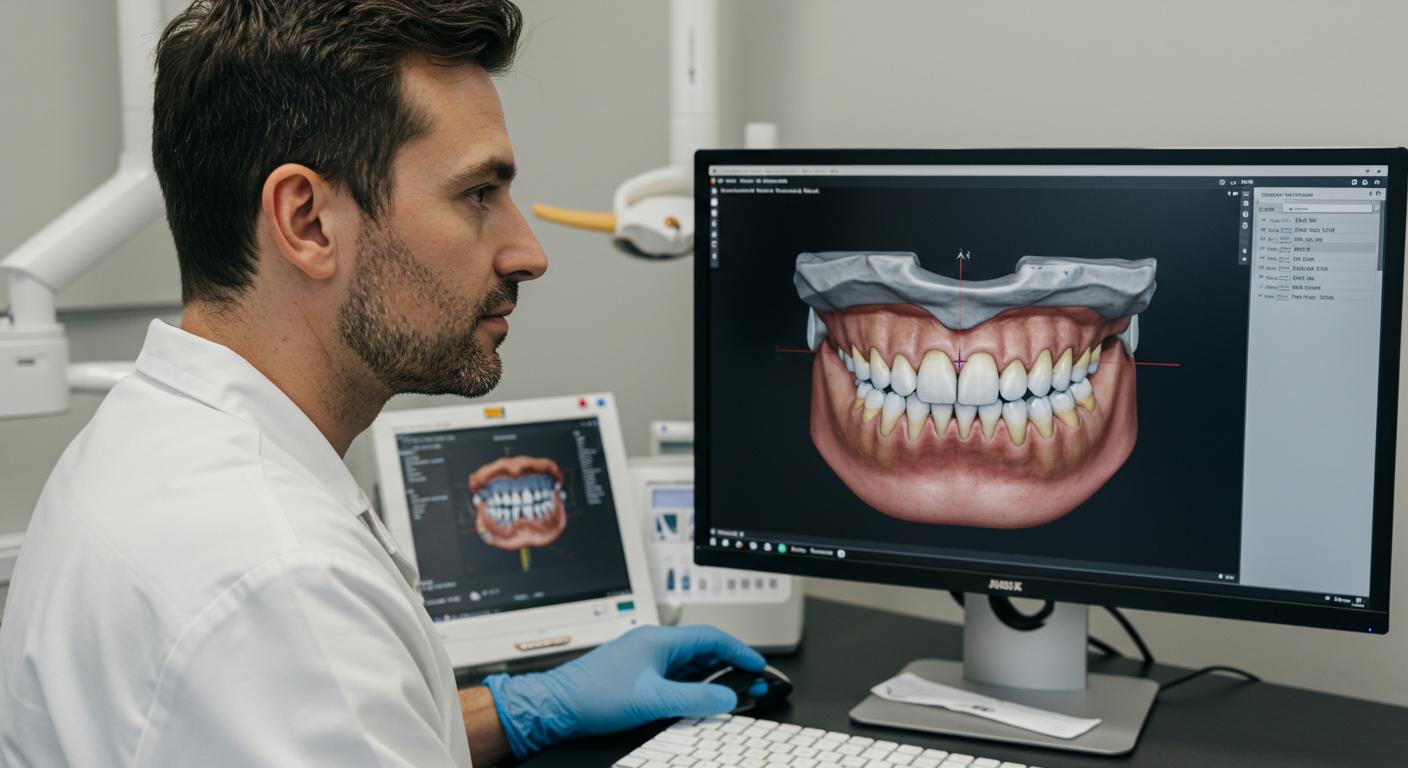
Using advanced digital imaging and 3D planning, computer-guided surgery enhances the precision of implant placement. This technique is particularly beneficial for smokers over 50, where bone quality may be inconsistent.
Advantages: High precision, reduced surgical trauma.
Clinical Benefit: Minimizes complications and improves overall success rates.
Comparative Analysis: Implant Options for Smokers Over 50
Feature
Rough Surface Titanium Implants
Titanium-Zirconia Hybrid Implants
Immediate Loading Implants
Computer-Guided Implants
Bone Integration
Enhanced by 20-25%
Superior aesthetic & biocompatibility
Immediate function
High precision placement
Success Rate
85-90% in smokers
Up to 95% in controlled cases
Moderate to high
Improved by precise planning
Treatment Time
Standard healing time
Standard healing time
Same-day restoration
Standard healing time
Cost
Competitive, proven solution
Slightly higher due to material costs
May require advanced planning
Standard cost with high accuracy
Best For
Patients with moderate bone loss
Patients with aesthetic concerns and sensitivity
Patients needing quick function
Complex cases with variable bone quality
Best Practices for Maximizing Implant Success in Smokers Over 50
Pre-Operative Considerations
Comprehensive Medical Evaluation: A thorough evaluation including blood tests and imaging (such as 3D CT scans) is critical to assess bone density and overall health.
Smoking Cessation or Reduction: Although not always feasible, reducing or quitting smoking before surgery can significantly improve healing outcomes.
Customized Treatment Planning: Develop a treatment plan that incorporates advanced implant options and addresses the specific challenges of smokers over 50.
Intra-Operative Strategies
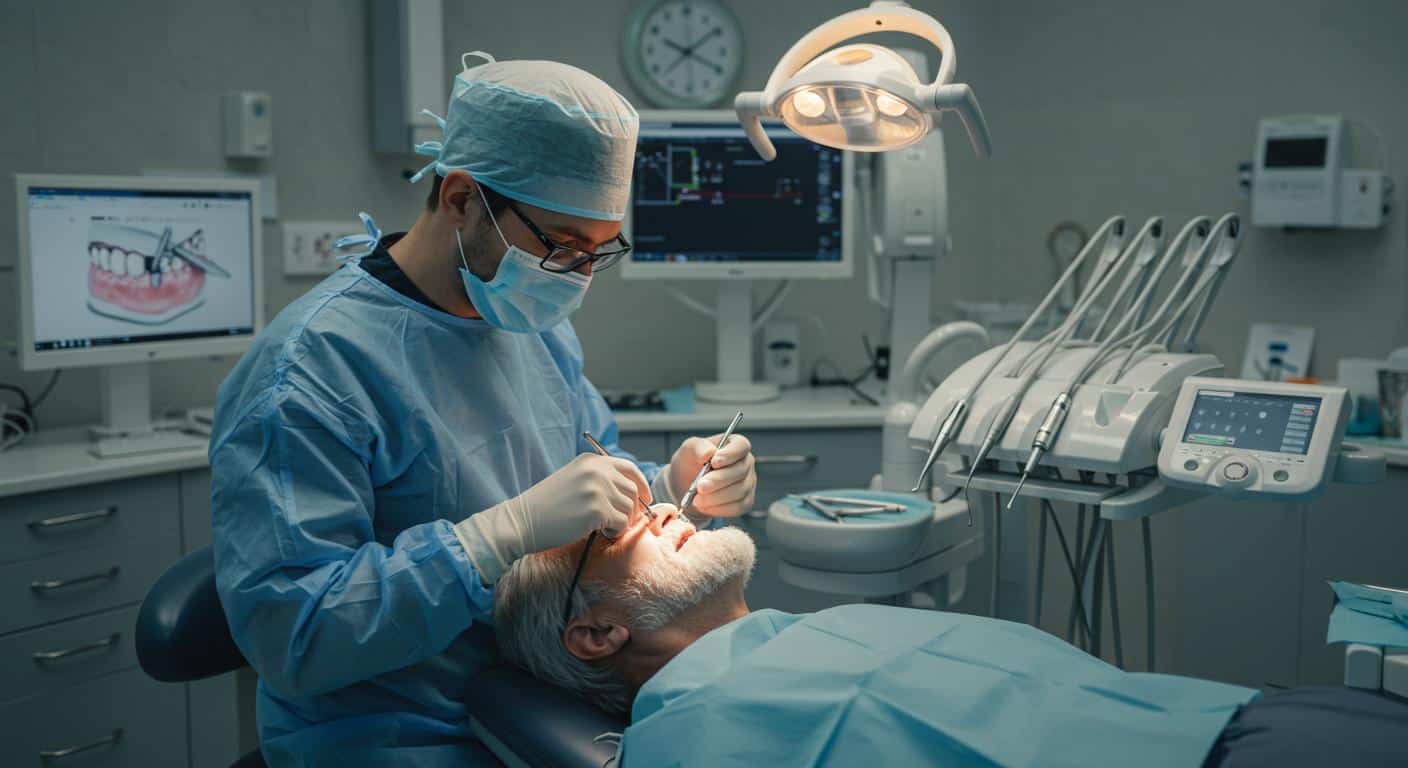
Minimally Invasive Techniques: Utilize flapless surgery or computer-guided techniques to minimize tissue trauma and promote faster healing.
Antibiotic Prophylaxis: Implement pre- and post-operative antibiotic protocols to reduce the risk of infection.
Precision Implant Placement: Use digital tools to ensure that implants are placed in optimal positions, maximizing stability and osseointegration.
Post-Operative Care and Maintenance
Strict Oral Hygiene: Advise patients to follow a rigorous oral care routine, including gentle brushing, flossing, and using an antibacterial mouthwash.
Regular Follow-Ups: Schedule frequent check-ups to monitor healing progress and promptly address any complications.
Lifestyle Modifications: Encourage patients to adopt healthier habits, such as improved diet and reduced smoking, to support long-term implant success.
Real-World Success Stories
Consider the case of John, a 58-year-old long-term smoker with significant tooth loss and reduced bone density. After a thorough evaluation, he underwent a treatment plan that combined a rough surface titanium implant with computer-guided placement. Despite the challenges posed by his smoking history, John experienced successful osseointegration and now enjoys a fully restored, natural-looking smile.
Similarly, Mary, a 62-year-old smoker, benefited from a titanium-zirconia hybrid implant. With a customized treatment plan and strict post-operative care, she achieved remarkable aesthetic results and improved functionality, significantly enhancing her quality of life.
The Role of Digital Technology in Treatment Success
Digital technology plays a pivotal role in the success of dental implants for smokers over 50. Tools such as 3D imaging, computer-guided surgery, and digital smile design (DSD) allow for precise planning and execution. These technologies not only improve the accuracy of implant placement but also facilitate patient understanding and involvement in the treatment process, leading to better outcomes and higher satisfaction rates.
Future Trends in Dental Implantology for Smokers
Looking ahead, the field of dental implantology is poised for further innovation. Emerging trends include:
Smart Implants: Implants equipped with sensors that monitor integration and detect early signs of complications.
Regenerative Materials: New biomaterials and growth factors that promote bone regeneration, improving implant success in patients with poor bone quality.
Enhanced Digital Planning: AI-driven diagnostic tools will further personalize treatment plans, enhancing predictability and reducing recovery times.
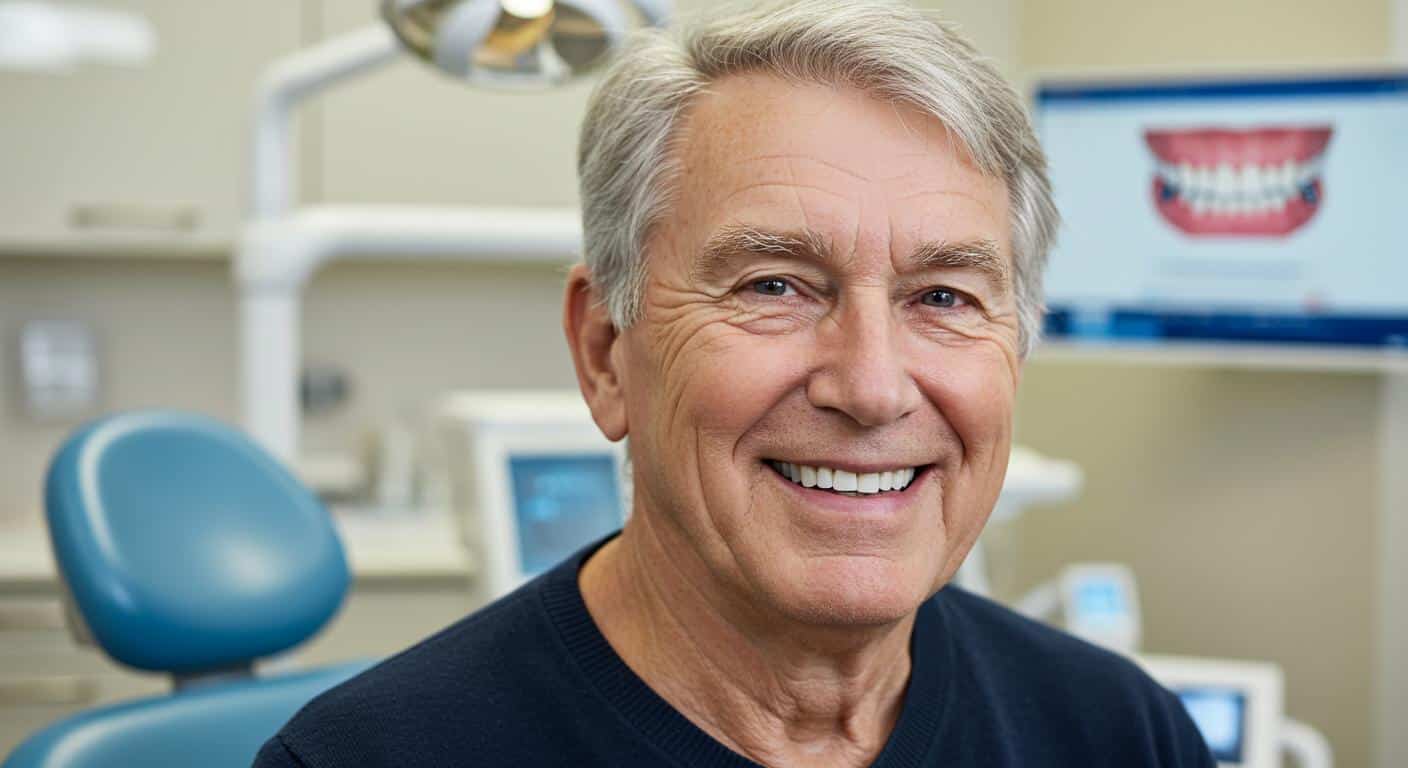
Best implants for smokers over 50 represent a significant advancement in restorative dentistry, offering reliable, aesthetically pleasing, and functional solutions even in challenging conditions. By adopting advanced technologies, customized treatment plans, and rigorous pre- and post-operative care protocols, dental professionals can achieve high success rates and improve patient satisfaction. If you are a smoker over 50 facing tooth loss, know that cutting-edge implant options are available to restore your smile and boost your quality of life.
Are you ready to regain your confidence and enjoy a permanent, beautiful smile? Contact Smile Design NJ today to schedule a personalized consultation. Let our expert team guide you through a customized treatment plan designed specifically for smokers over 50. Your journey to a healthier, radiant smile starts now!
To provide the best experiences, we use technologies like cookies to store and/or access device information. Consenting to these technologies will allow us to process data such as browsing behavior or unique IDs on this site. Not consenting or withdrawing consent, may adversely affect certain features and functions.
Functional
Always active
The technical storage or access is strictly necessary for the legitimate purpose of enabling the use of a specific service explicitly requested by the subscriber or user, or for the sole purpose of carrying out the transmission of a communication over an electronic communications network.
Preferences
The technical storage or access is necessary for the legitimate purpose of storing preferences that are not requested by the subscriber or user.
Statistics
The technical storage or access that is used exclusively for statistical purposes.The technical storage or access that is used exclusively for anonymous statistical purposes. Without a subpoena, voluntary compliance on the part of your Internet Service Provider, or additional records from a third party, information stored or retrieved for this purpose alone cannot usually be used to identify you.
Marketing
The technical storage or access is required to create user profiles to send advertising, or to track the user on a website or across several websites for similar marketing purposes.
To provide the best experiences, we use technologies like cookies to store and/or access device information. Consenting to these technologies will allow us to process data such as browsing behavior or unique IDs on this site. Not consenting or withdrawing consent, may adversely affect certain features and functions.
Functional
Always active
The technical storage or access is strictly necessary for the legitimate purpose of enabling the use of a specific service explicitly requested by the subscriber or user, or for the sole purpose of carrying out the transmission of a communication over an electronic communications network.
Preferences
The technical storage or access is necessary for the legitimate purpose of storing preferences that are not requested by the subscriber or user.
Statistics
The technical storage or access that is used exclusively for statistical purposes.The technical storage or access that is used exclusively for anonymous statistical purposes. Without a subpoena, voluntary compliance on the part of your Internet Service Provider, or additional records from a third party, information stored or retrieved for this purpose alone cannot usually be used to identify you.
Marketing
The technical storage or access is required to create user profiles to send advertising, or to track the user on a website or across several websites for similar marketing purposes.