
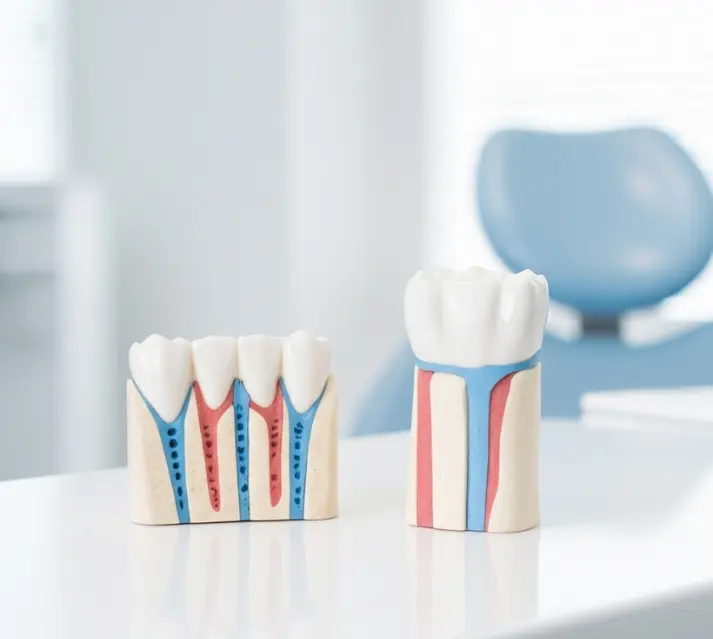
A dental implant is a modern marvel of cosmetic dentistry. It’s the only solution that perfectly mimics the look, feel, and function of a natural tooth. It’s easy to focus on that final, beautiful porcelain crown or the high-tech titanium “screw” that anchors it. But at our clinic, we know a secret that determines the long-term success or failure of every implant: the real hero isn’t the implant, it’s the foundation it’s built upon.
We’ve seen countless patients who believe the implant is the whole story. The truth is, the implant is just a component. The procedure’s success hinges on a biological process called osseointegration. This is where the long-term health of your smile is truly decided. Consequently, for many patients, the most critical step isn’t placing the implant; it’s preparing the site with bone grafting for dental implants.
This article will explain why your jawbone quality is the single most important factor for success and how we, as experts, rebuild that foundation when it’s been lost.
The “Hidden” Hero: What is Osseointegration (And Why It Matters)
You’ve heard that dental implants are “permanent.” But what makes them permanent?
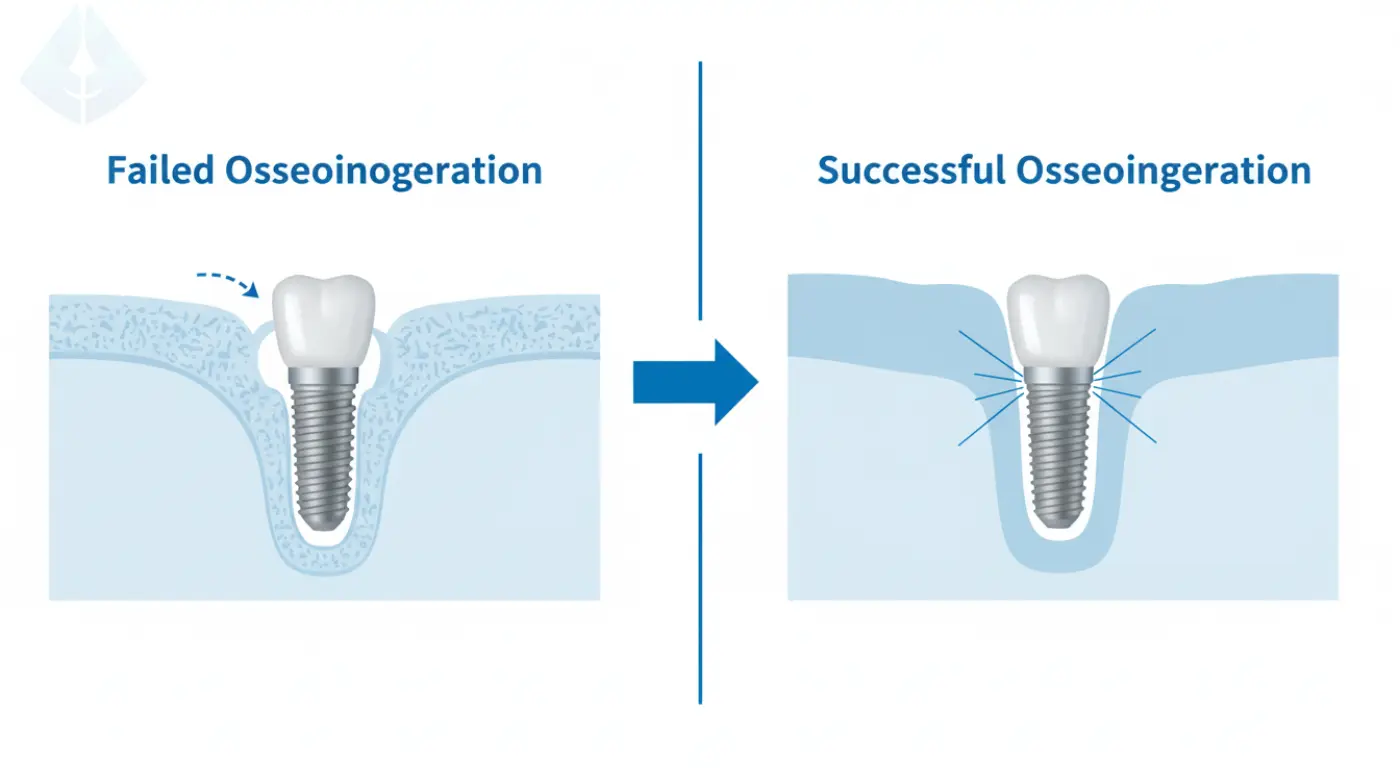
The answer is osseointegration. This is the formal term for the biologic fusion of living bone with the titanium implant.
Think of it this way: you wouldn’t build a skyscraper on soft sand. You’d first build a deep, solid concrete foundation. Your jawbone is that foundation. The implant (the “screw”) is like the first steel beam.
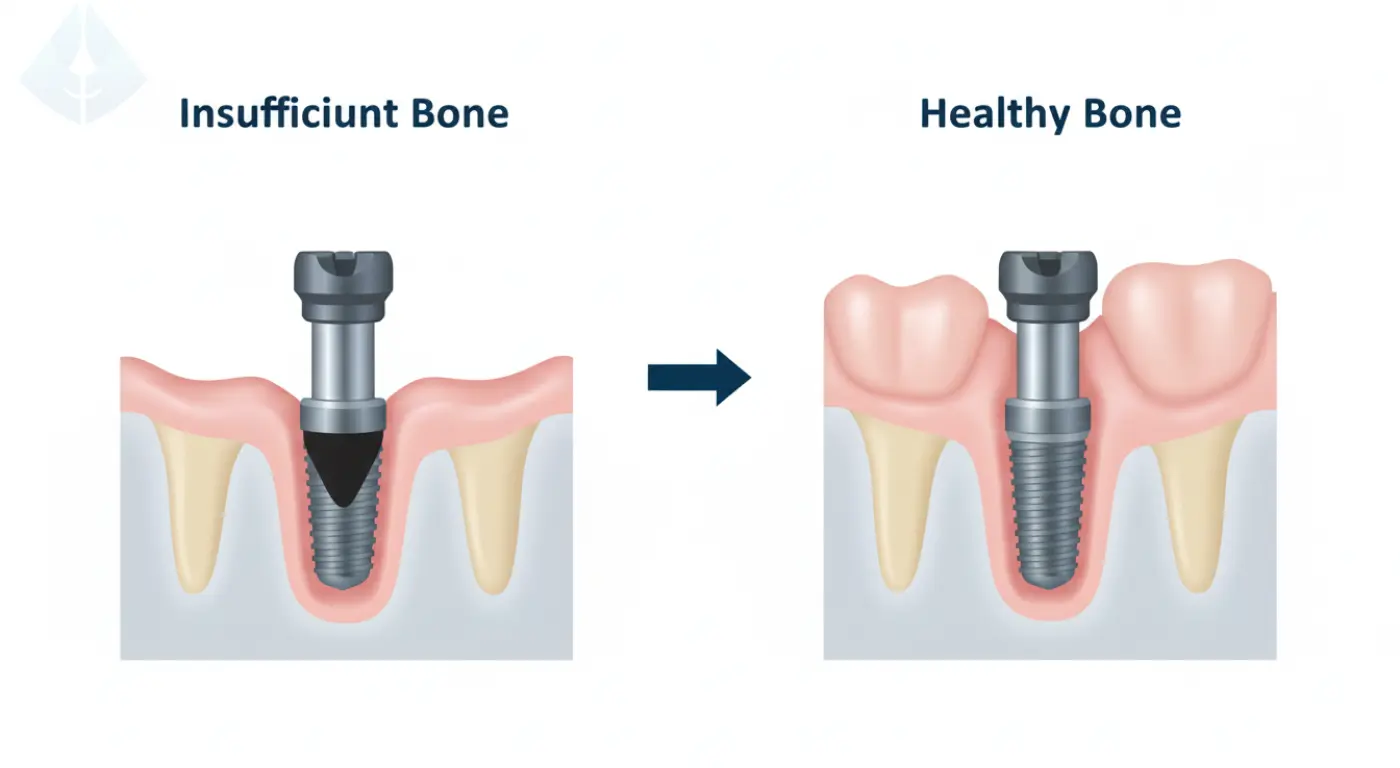
Successful Osseointegration: The bone cells in your jaw grow directly onto and into the implant’s surface, locking it into place. This bond is so strong that the implant effectively becomes a part of your jaw.
Failed Osseointegration: If the bone is too thin, too soft, or too weak, this fusion never happens. The implant may feel stable at first, but it will eventually loosen, wobble, or fail completely.
The implant doesn’t just sit in the bone; it must fuse with the bone. Without sufficient high-quality bone, this fusion is biologically impossible.
The Silent Culprit: Why We Lose Jawbone (And Why It’s So Common)
“But I have a healthy mouth, why would I have bone loss?” This is a question we hear often. The reality is that jawbone loss is incredibly common and starts the moment a natural tooth is lost.
Your jawbone maintains its density and shape because of the stimulation it receives from your tooth roots. Every time you chew, you send tiny signals that tell your body, “This bone is needed!”
When a tooth is extracted, that signal stops. Your body, being efficient, begins to “resorb” the bone material, melting it away.
Primary Causes of Jawbone Deficiency:
Tooth Extraction: The surrounding bone can shrink by as much as 25% in the first year alone.
Periodontal (Gum) Disease: This chronic infection is a leading cause of bone loss, as bacteria destroy the supporting structures of the teeth.
Physical Trauma: An injury that knocks out a tooth or damages the jaw can result in significant bone defects.
Dentures or Bridges: Traditional dentures and bridges do nothing to stop bone loss. In fact, a poorly fitting denture can actually accelerate it by rubbing against the ridge.
This is why bone grafting for dental implants isn’t a “complication”—it’s a proactive and often necessary part of the standard treatment plan.
Rebuilding Your Smile: An Expert Guide to Bone Grafting for Dental Implants
So, what is this procedure that sounds so intimidating?
Bone grafting for dental implants is a routine, safe, and highly predictable surgical procedure designed to add volume and density back to your jawbone. It’s the solution that allows us to reverse bone loss and create the ideal environment for successful osseointegration.
Our expertise isn’t just in placing implants; it’s in creating the patient who can successfully receive one. We don’t take chances with your health or investment. We build the foundation first.
What is the Bone Grafting Process Like? A Patient’s Journey
We believe in full transparency and demystifying the process. Your comfort and confidence are our top priorities.
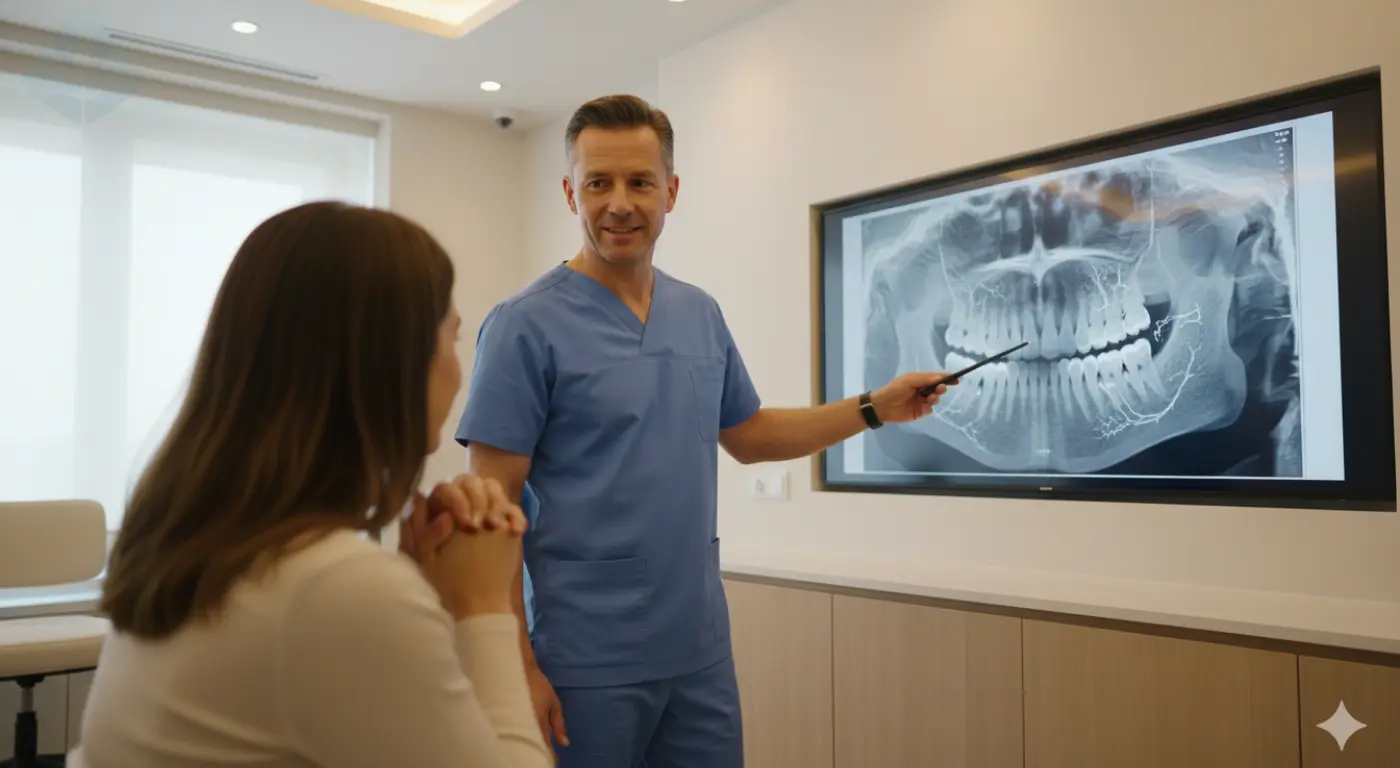
The Advanced Consultation: We don’t guess. We use state-of-the-art 3D Cone-Beam CT (CBCT) scanners. This technology gives us a precise, three-dimensional map of your jaw, allowing us to measure your bone density, height, and width down to the millimeter.
The Procedure: The procedure itself is performed with meticulous care. After ensuring you are completely numb and comfortable, we gently open the gum tissue to access the deficient bone.
Placing the Graft: We then place specialized, sterile bone grafting material (which can come from various sources) into the area. This material acts as a safe, biocompatible scaffold.
The Healing Magic: This is the most important part. The graft material itself isn’t the final fix. It’s a placeholder that encourages your body’s own bone-building cells to migrate into the area. Over the next few months, your body will slowly break down the scaffold and replace it with your own new, strong, living bone.
This regenerative process is a testament to the body’s incredible healing power, and our role is to guide it.
Common Types of Bone Grafts We Perform
Not all bone loss is the same. As implant specialists, we are masters of several techniques, allowing us to customize your treatment perfectly.
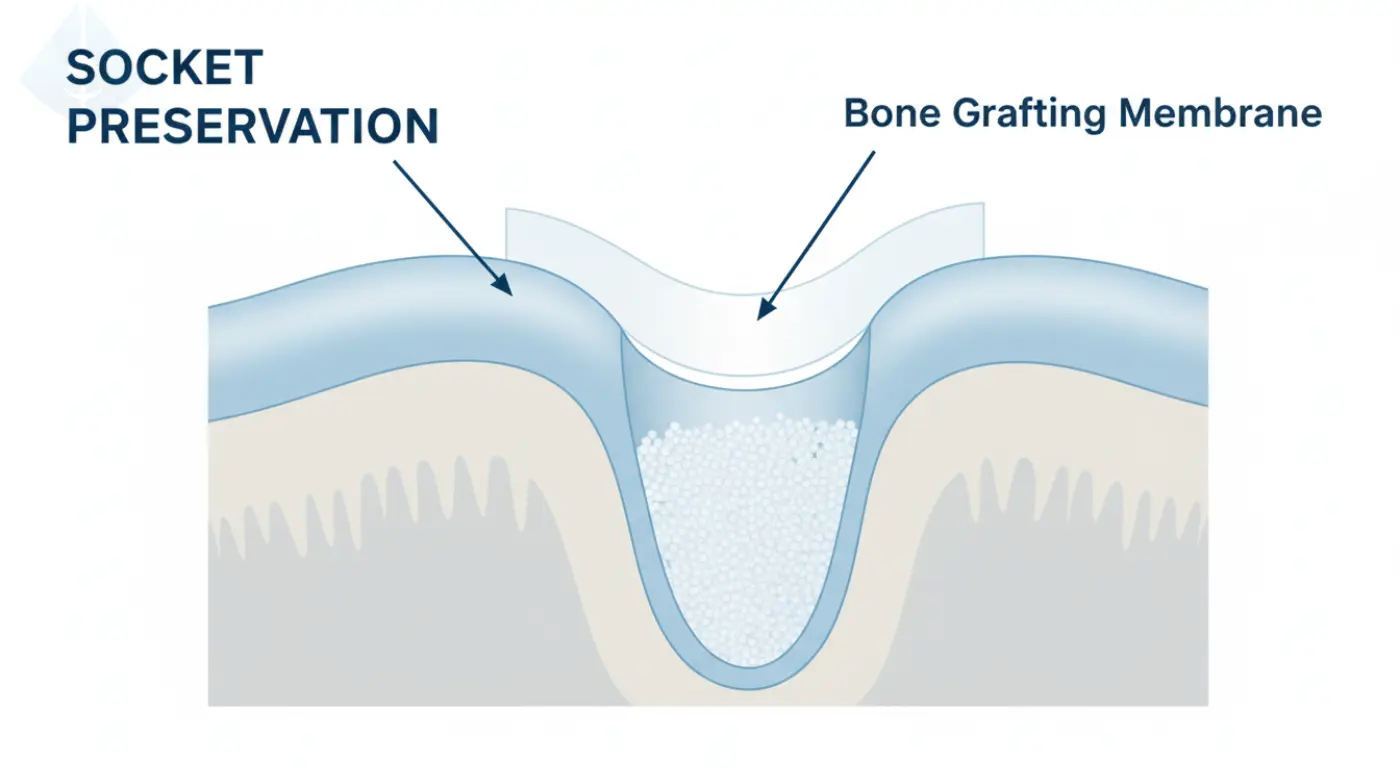
Socket Preservation: The best time to act. When a tooth is extracted, we can immediately place a bone graft into the empty socket. This “preserves” the bone, stopping resorption before it ever begins and making your future implant placement simple.
Ridge Augmentation: If you’ve been missing a tooth for a while, your jaw ridge has likely become thin or narrow. This graft rebuilds the width and height of the ridge so it’s strong enough to support an implant.
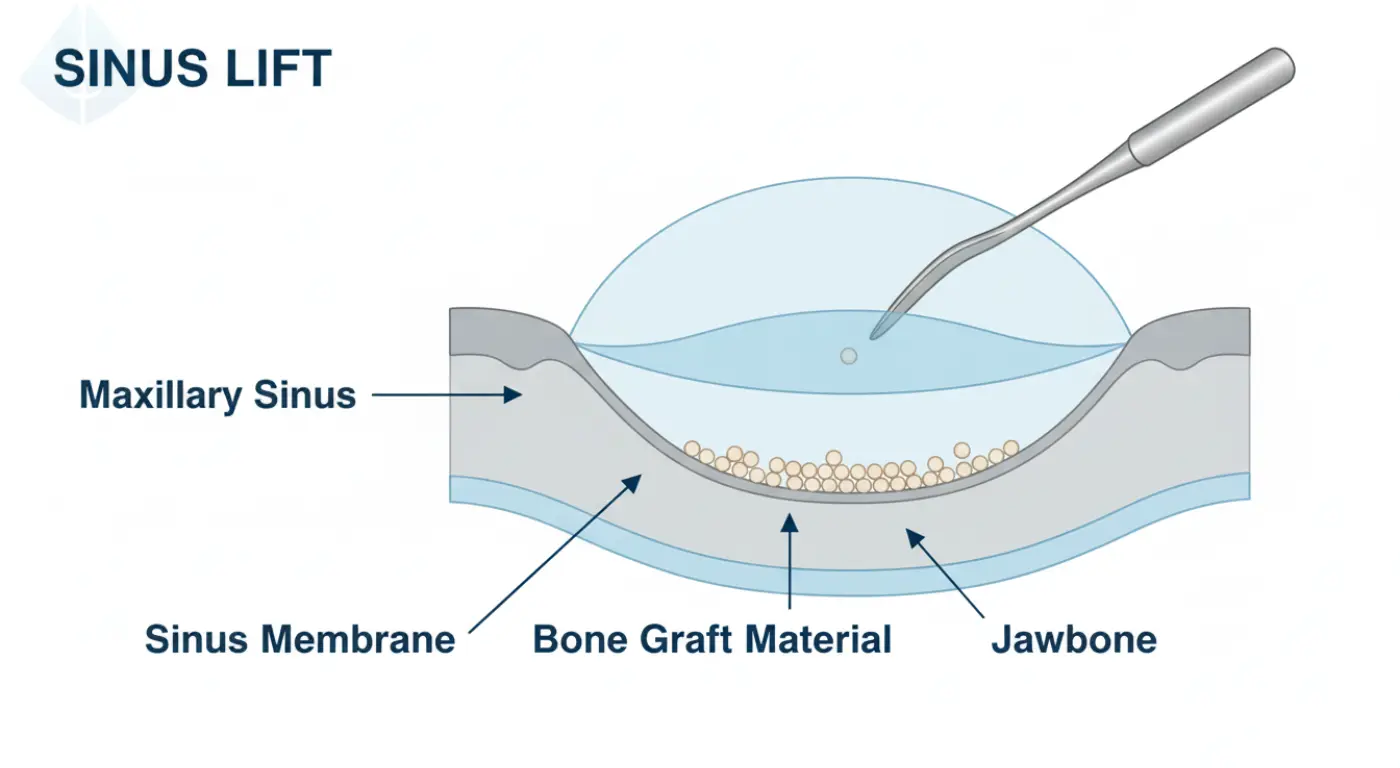
Sinus Lift (Sinus Augmentation): The upper back jaw is a notoriously difficult area because the sinus cavity rests right above it. A sinus lift is an elegant procedure where we gently elevate the sinus membrane and place a bone graft beneath it, creating the necessary height for an implant without disturbing the sinus.
Why “Shortcut” Implants (Without Proper Bone) Are Doomed to Fail
Some clinics might offer “one-day” implants or try to place an implant into a deficient site, hoping for the best. This is a gamble we are not willing to take with your smile.
Why? Because the risks are catastrophic.
Aesthetic Failure: Placing an implant in thin bone can lead to gum recession, exposing the dark metal of the implant. The “permanent” tooth now looks fake and unnatural.
Implant Migration: The implant may slowly shift or move out of position, ruining your bite and alignment.
Total Implant Failure: This is the most common outcome. Without osseointegration, the implant will simply loosen and fall out, just like the tooth it was meant to replace.
Peri-Implantitis: A failed implant site is highly susceptible to infection (peri-implantitis), which can lead to even more bone loss, making a future attempt much more difficult and costly.
A cheap implant is often the most expensive one you can get. Doing it right means doing it once. Investing in bone grafting for dental implants isn’t an extra cost; it’s insurance for your primary investment.
The New Era of Regeneration: Statistics on Modern Bone Grafting
If you’re feeling anxious about this process, let the data reassure you. The field of regenerative dentistry has made incredible leaps.
A recent meta-analysis of implant success rates shows that:
Dental Implants (General): When placed in adequate bone, dental implants have a long-term success rate of 95-98%, making them one of the most successful procedures in all of dentistry.
Bone Grafting Success: Procedures for bone grafting for dental implants have a similarly high success rate in preparing the site, allowing patients who were previously told “no” to become excellent candidates.
The Need is Common: Studies indicate that up to 50% of patients seeking implants in certain areas of the mouth require some form of bone augmentation to ensure long-term success.
These aren’t “experimental” procedures. They are the gold standard. They are the daily work of experts who are committed to biologic, long-lasting results.
Your Journey to a Permanent Smile Starts with a True Foundation
The titanium screw you see in advertisements is just an object. The beautiful crown is just porcelain. The true magic of a dental implant lies in the living, breathing, biological foundation of your jawbone.
At our practice, we are experts in this foundation. We look “beyond the screw” to see the whole picture. We master procedures like bone grafting for dental implants not just because we are surgeons, but because we are partners in your long-term health.
A successful implant doesn’t just look good for a year; it lasts a lifetime. And that lifetime of confidence begins with a foundation of strong, healthy bone.
Don’t settle for a clinic that’s just focused on the implant. Choose an expert focused on you.
Are you ready to build your smile on a foundation that lasts? Contact us today for a comprehensive 3D scan and consultation. We’ll show you exactly what’s possible.


