

Imagine finally achieving the smile of your dreams—perfectly aligned porcelain veneers, a full set of dental implants, or a complete smile makeover—without remembering a single second of the stress or the procedure. For many patients across New Jersey, the deep desire for a confident, radiant smile is often overshadowed by a paralyzing fear of the dental chair. However, the rapid advancement of sedation dentistry for cosmetic procedures is transforming this narrative, turning what used to be anxiety-filled appointments into relaxing, fear-free experiences.
If the high-pitched sound of a drill or the mere thought of a long dental appointment has kept you from fixing your teeth or achieving the aesthetic results you deserve, you are not alone. Modern sedation techniques act as the essential bridge between your dental anxiety and the life-changing results of cosmetic dentistry.
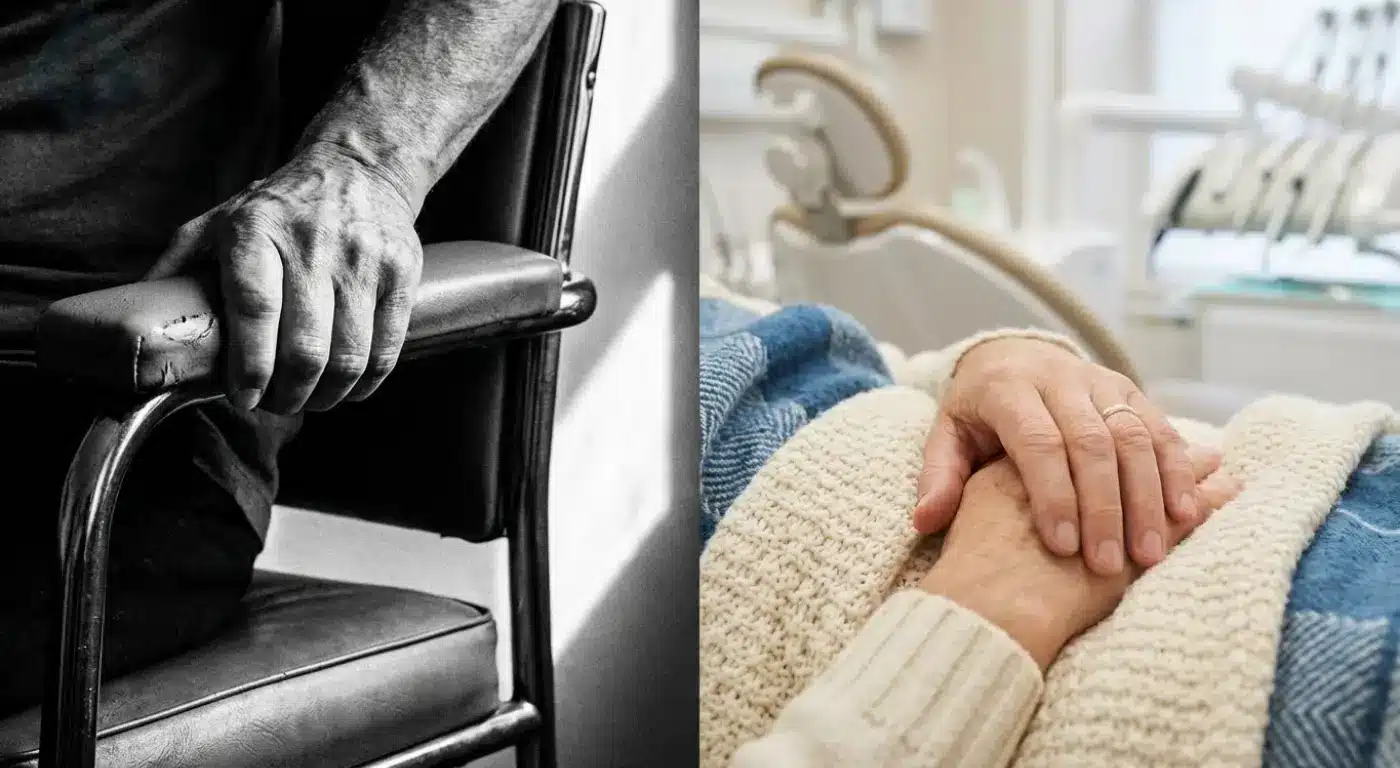
The Hidden Barrier to a Perfect Smile: Understanding Dental Anxiety
Dental anxiety is more than just “being a little nervous.” It is a genuine physiological and psychological barrier that prevents millions of people from seeking necessary and elective dental care. Recent clinical studies indicate that approximately 47% of patients exhibit moderate to severe dental anxiety. Interestingly, this anxiety is reported significantly more often in demographics that most frequently seek cosmetic enhancements.
For cosmetic dentistry patients specifically, the stakes feel even higher. Procedures like porcelain veneers, dental implants, or full-mouth reconstructions often require longer appointments than a standard filling. The fear isn’t just about pain; it is a complex mix of triggers:
Loss of Control: The feeling of vulnerability while lying back in the chair for hours.
Sensory Overload: The clinical sights, sounds, and smells of the operatory.
Physical Discomfort: Difficulty sitting still for long periods, back pain, or a sensitive gag reflex.
Embarrassment: Fear of judgment regarding the current state of their teeth.
Fortunately, elite New Jersey clinics are at the forefront of adopting advanced sedation protocols to dismantle these barriers, ensuring that your mental comfort is prioritized just as highly as your aesthetic outcome.
What is Sedation Dentistry for Cosmetic Procedures?
Sedation dentistry for cosmetic procedures refers to the use of pharmacological agents to calm and relax a patient prior to and during a dental appointment. Unlike local anesthesia, which only numbs the specific pain site (the tooth and gum), sedation addresses the mind and the body’s stress response.
It is often colloquially referred to as “sleep dentistry,” though this term can be slightly misleading. In most cases, except for general anesthesia, you remain conscious and able to breathe on your own. However, you enter a state of such deep relaxation that time seems to pass instantly. A four-hour appointment for veneers can feel like 20 minutes.
For a top-tier cosmetic dentist, a sedated patient is actually the ideal scenario. When you are completely relaxed, your facial muscles are loose and free of tension. This allows the dentist to perform intricate, artistic work—like shaping a veneer or placing an implant—with absolute precision, without the patient flinching, needing frequent breaks, or fighting a gag reflex.
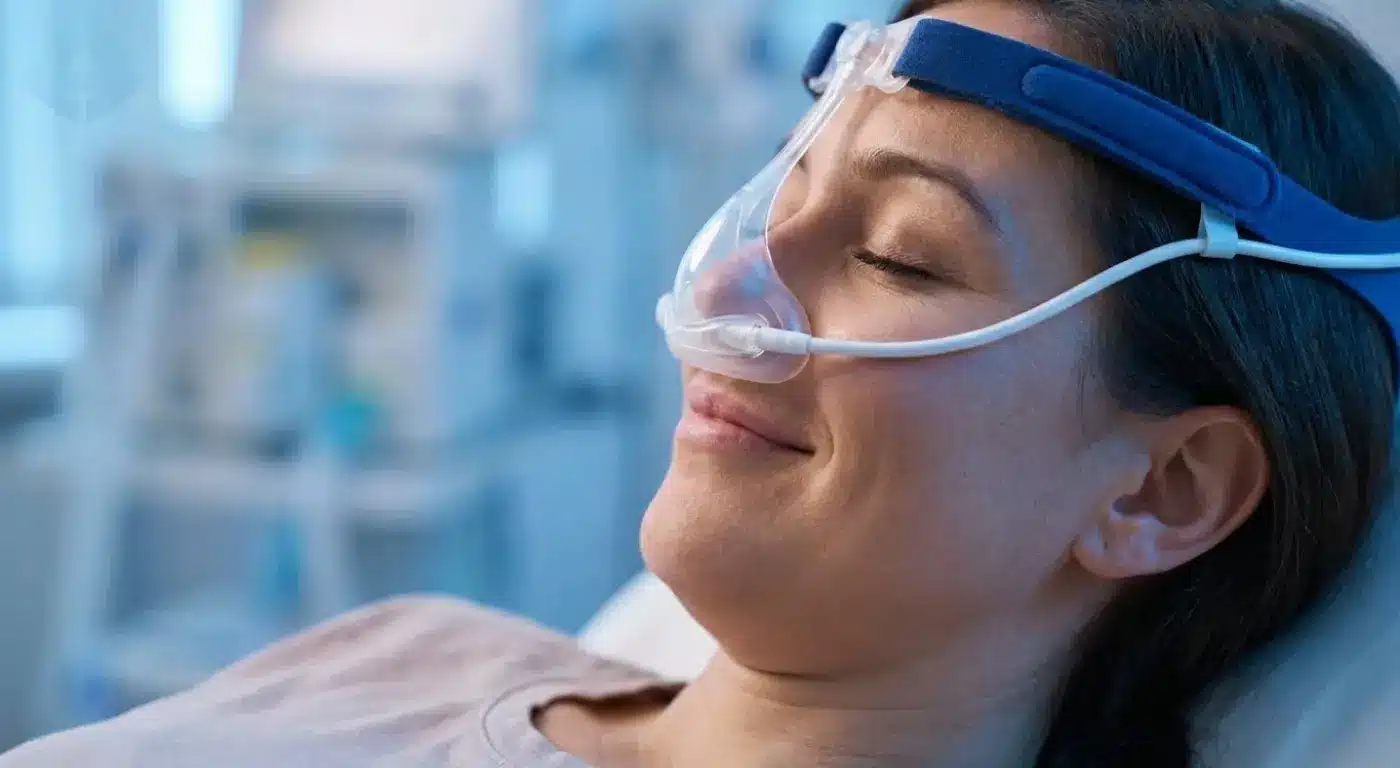
Types of Sedation Offered in New Jersey Cosmetic Clinics
New Jersey has strict regulations regarding dental sedation to ensure patient safety. Understanding the different “levels” of sedation available can help you choose the right provider for your specific needs and anxiety level.
1. Nitrous Oxide (Inhalation Sedation)
Commonly known as “laughing gas,” this is the lightest and most common form of sedation. It is administered through a small, comfortable nose mask throughout the procedure.
Best for: Mild anxiety, teeth whitening, or simple cosmetic bonding procedures.
The Experience: You will feel a tingling sensation, warmth, and a sense of heavy euphoria. The beauty of nitrous oxide is that the effects wear off within minutes of removing the mask. This means you can drive yourself home immediately after your appointment, making it perfect for busy professionals.
2. Oral Conscious Sedation
This method involves taking a prescribed pill (usually a benzodiazepine like Triazolam or Diazepam) about an hour before your procedure begins.
Best for: Moderate anxiety and longer cosmetic appointments (2-4 hours), such as prepping for 6-8 veneers.
The Experience: You will feel significantly groggy and incredibly relaxed. While you are technically awake and can respond to simple commands like “open wide,” you likely won’t care about what is happening around you. Important: Because the effects linger, you will need a companion to drive you to and from the clinic.
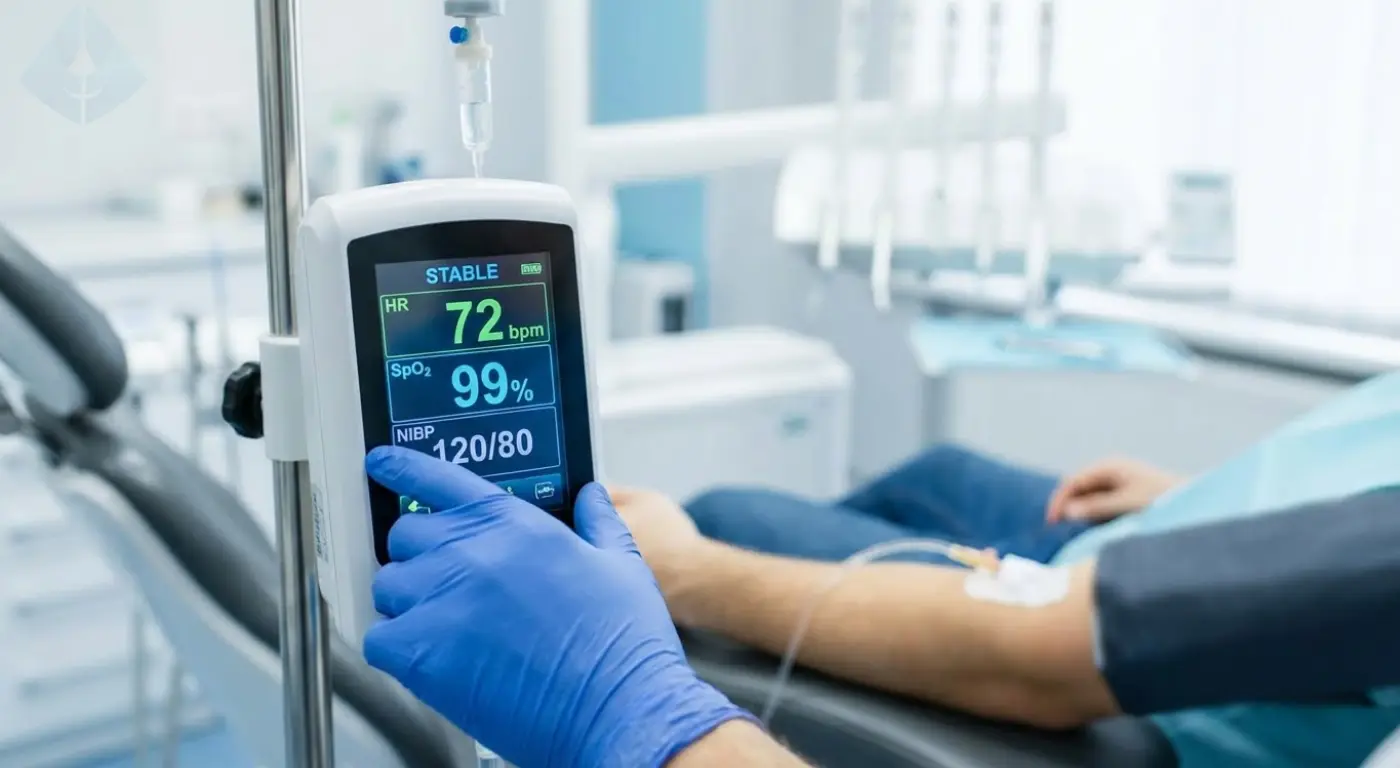
3. IV Sedation (Intravenous Sedation)
This is considered the gold standard for fear-free cosmetic dentistry in NJ. The sedative medication is delivered directly into your bloodstream, allowing the dentist (or an on-site anesthesiologist) to adjust the depth of sedation instantly.
Best for: Severe dental phobia, high gag reflexes, or extensive procedures like full arch implants, All-on-4®, or full mouth reconstructions.
The Experience: You enter a “twilight” state. You are conscious but deeply detached from reality and physical sensation. Most patients experience a profound “amnesia effect,” remembering little to nothing of the procedure afterwards. It is the closest thing to “sleeping” through your appointment without full general anesthesia.
4. General Anesthesia
This renders you completely unconscious. In New Jersey, this is strictly regulated and typically performed by an oral surgeon or a dentist with a specialized permit and advanced emergency equipment.
Best for: Extremely complex surgery or patients who cannot cooperate due to severe physical or cognitive limitations.
Comparison of Sedation Options for Cosmetic Patients
| Feature | Nitrous Oxide (Gas) | Oral Sedation (Pill) | IV Sedation (Twilight) |
| Anxiety Level Targeted | Mild | Moderate | Severe / High Fear |
| Consciousness Level | Fully Awake & Relaxed | Drowsy but Responsive | Deeply Relaxed / Semi-Conscious |
| Amnesia Effect | Minimal | Partial | High (Little to no memory) |
| Pain Relief | Mild Analgesic | Reduces Perception | High (Combined with local) |
| Recovery Time | Immediate (5-10 mins) | Hours (Requires Driver) | Hours (Requires Driver) |
| Ideal Procedure | Bonding, Whitening | Veneers (4-8 teeth) | Full Mouth Rehab, Implants |
How Sedation Enhances Specific Cosmetic Procedures
Using sedation dentistry for cosmetic procedures isn’t just about comfort; it actually improves the clinical quality and efficiency of the result. Here is how it applies to the most popular treatments:
Porcelain Veneers and Laminates
Creating the perfect veneer requires preparing the tooth surface with fractions of a millimeter in precision. If a patient is jumpy, tense, or constantly needs to close their mouth, it makes the dentist’s job harder and the appointment longer. Sedation allows you to sit comfortably for the 3-4 hours often required to prep multiple teeth, ensuring the margins are perfect for a long-lasting, natural-looking smile.
Dental Implants and All-on-4®
Implant placement is a surgical procedure. While local anesthesia effectively blocks the pain, the vibration, pressure, and sounds can be triggering for anxious patients. IV sedation is particularly popular here because it suppresses the gag reflex and keeps blood pressure stable, creating a safer and more controlled surgical environment.
Full Mouth Reconstruction
“Time compression” is the biggest benefit here. A complex makeover might normally require four or five separate 1-hour visits. With sedation, a skilled cosmetic dentist can often combine these into one single 4-hour “power visit.” You wake up with the majority of the heavy work done, feeling like you only napped for a short while.
Safety First: NJ Standards and Regulations
New Jersey has some of the most rigorous patient safety standards in the country regarding sedation. When searching for a provider, it is crucial to verify your dentist’s credentials.
According to the New Jersey State Board of Dentistry:
Dentists administering Oral Sedation (beyond simple anxiety relief) must complete a minimum of 40 hours of university-based training and hold a specific permit.
Parenteral Conscious Sedation (IV) requires a separate, more advanced permit involving 60 hours of instruction and management of at least 20 live patients under supervision.
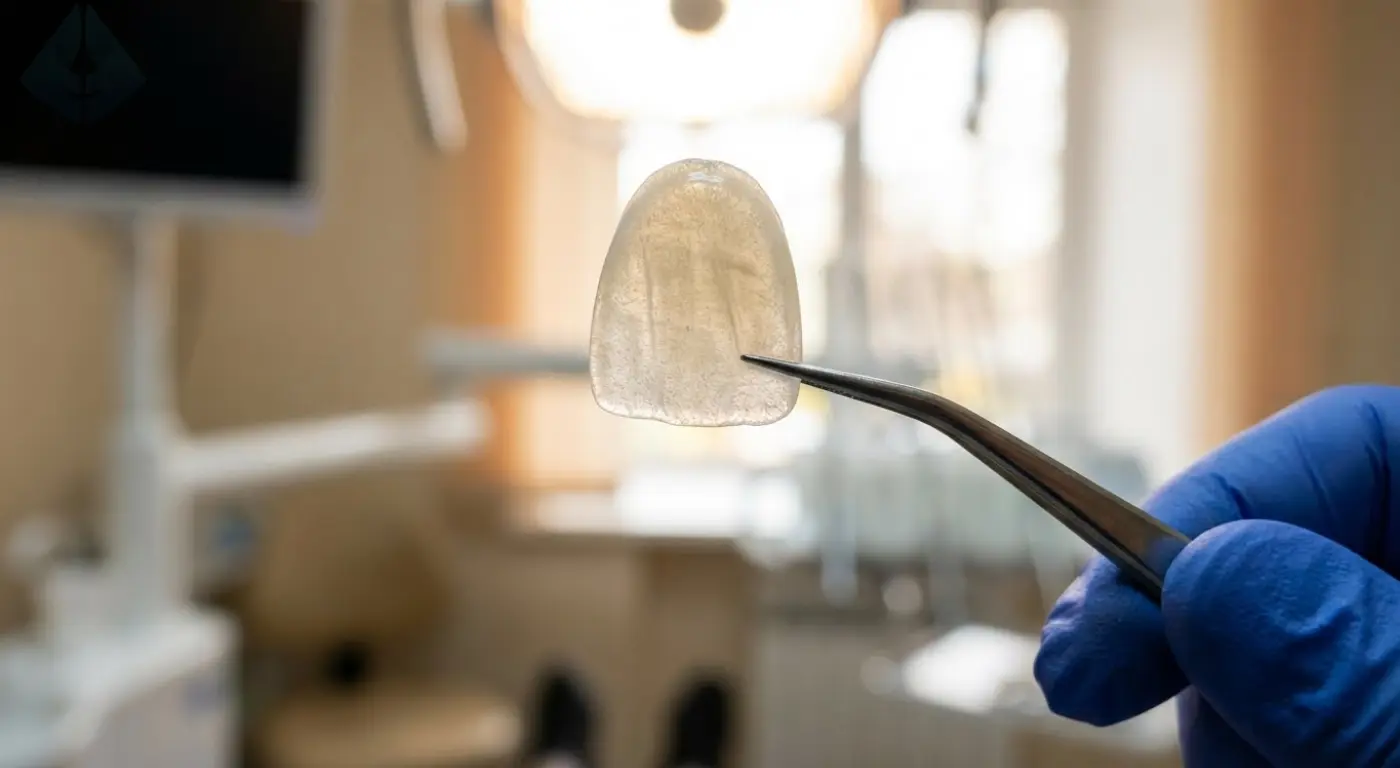
Clinics must be equipped with hospital-grade monitoring devices, including pulse oximeters to measure oxygen levels, blood pressure monitors, and emergency drug kits.
Pro Tip: Always ask your cosmetic dentist: “Do you hold a current sedation permit from the NJ State Board, or do you work with a board-certified anesthesiologist?” Top-tier cosmetic clinics often bring in a dedicated MD anesthesiologist to monitor your vitals while the dentist focuses solely on your smile transformation.
The Patient Journey: What to Expect
If you decide to opt for sedation dentistry for cosmetic procedures, here is what a typical journey looks like:
The Consultation: You will discuss your medical history and anxiety levels. The dentist will determine if you are a medically fit candidate for sedation.
Pre-Op Preparation: If choosing oral or IV sedation, you will be instructed not to eat or drink for 6-8 hours before the appointment. You will also arrange for a trusted friend or family member to drive you.
The Appointment: Upon arrival, you are escorted to a comfortable room. Vitals are checked, and the sedation is administered. You drift into a relaxed state.
The Procedure: The dentist performs the cosmetic work. You feel no pain and have no concept of time.
Recovery: You stay in the office until the sedation lightens enough for you to walk. Your companion drives you home, where you will likely nap for the rest of the day.
The Reveal: By the next morning, the sedation has fully worn off, and you can enjoy your new smile without the trauma of a stressful appointment.
Frequently Asked Questions
Is sedation dentistry safe for older adults?
Yes, when administered by professionals. In fact, many older patients benefit from sedation as it monitors vitals closely and reduces the physical strain of sitting in a chair, which can be hard on arthritic joints or backs.
Will I feel any pain during the cosmetic procedure?
No. Sedation is used in conjunction with local anesthesia. The sedation keeps you relaxed and unaware, while the local anesthesia ensures the area is completely numb. You get the best of both worlds.
Does insurance cover sedation for cosmetic work?
Generally, dental insurance categorizes cosmetic procedures and the associated sedation as “elective.” However, some plans may offer partial coverage if the sedation is deemed medically necessary due to a condition like a severe gag reflex or a disability. It is best to check with your provider.

Your Dream Smile is Closer Than You Think
Don’t let fear dictate the health and beauty of your smile. The era of “white-knuckling” through a dental appointment is over. By utilizing sedation dentistry for cosmetic procedures, New Jersey clinics are ensuring that the path to your new smile is as beautiful as the result itself.
Whether you need a single implant or a full smile makeover, ask your local cosmetic dentist about their sedation options today. You deserve a comfortable, fear-free experience that leaves you smiling—literally and figuratively.


