

Sedation Options for Anxiety-Free Implant Surgery: Your Ultimate Guide
Sedation options for anxiety-free implant surgery are revolutionizing dental care, especially for patients who experience high levels of dental anxiety. For many individuals, the thought of undergoing implant surgery can be intimidating due to fears of pain, discomfort, and extended recovery times. However, modern sedation dentistry has made it possible to perform these procedures in a calm, stress-free environment. In this comprehensive guide, we will explore various sedation options for anxiety-free implant surgery, discuss their benefits, and explain how they help patients achieve a comfortable, successful outcome. Whether you’re considering dental implants for missing teeth or need a restorative procedure, understanding these sedation techniques will empower you to make an informed decision and enjoy a positive dental experience.

Understanding Dental Anxiety in Implant Surgery

Dental anxiety is a common barrier to receiving necessary dental treatments. For many patients, especially those facing surgical procedures like dental implant placement, anxiety can lead to avoidance, compromised oral health, and overall dissatisfaction with treatment outcomes. Studies have shown that over 60% of patients report moderate to severe anxiety related to dental procedures. This anxiety not only affects the patient’s comfort but can also complicate the surgery by causing involuntary movements and increased stress responses.
Sedation options for anxiety-free implant surgery are designed to alleviate these concerns, ensuring that the procedure is as smooth and pain-free as possible. By reducing anxiety, these sedation techniques enable the dental team to work more efficiently and enhance the precision of implant placement. Sedation dentistry has thus become an essential aspect of modern implantology, especially for patients with high dental anxiety.
Overview of Sedation Options for Anxiety-Free Implant Surgery
Modern sedation techniques have transformed the dental implant experience by making it more tolerable and stress-free. Here, we review the most common sedation options for anxiety-free implant surgery, each with its own set of advantages:
- Nitrous Oxide (Laughing Gas): A mild sedative inhaled through a mask that helps relax patients without making them completely unconscious.
- Oral Sedation: Medication taken orally prior to the procedure to reduce anxiety and induce a state of relaxation.
- Intravenous (IV) Sedation: Administered through an IV, this method offers a deeper level of sedation, ensuring minimal awareness during the procedure.
- General Anesthesia: A deeper form of sedation where patients are completely unconscious; typically reserved for complex or multiple procedures.
Each option has been developed to ensure that the implant surgery is as comfortable and anxiety-free as possible, while still maintaining a high degree of safety and effectiveness.
Detailed Sedation Techniques
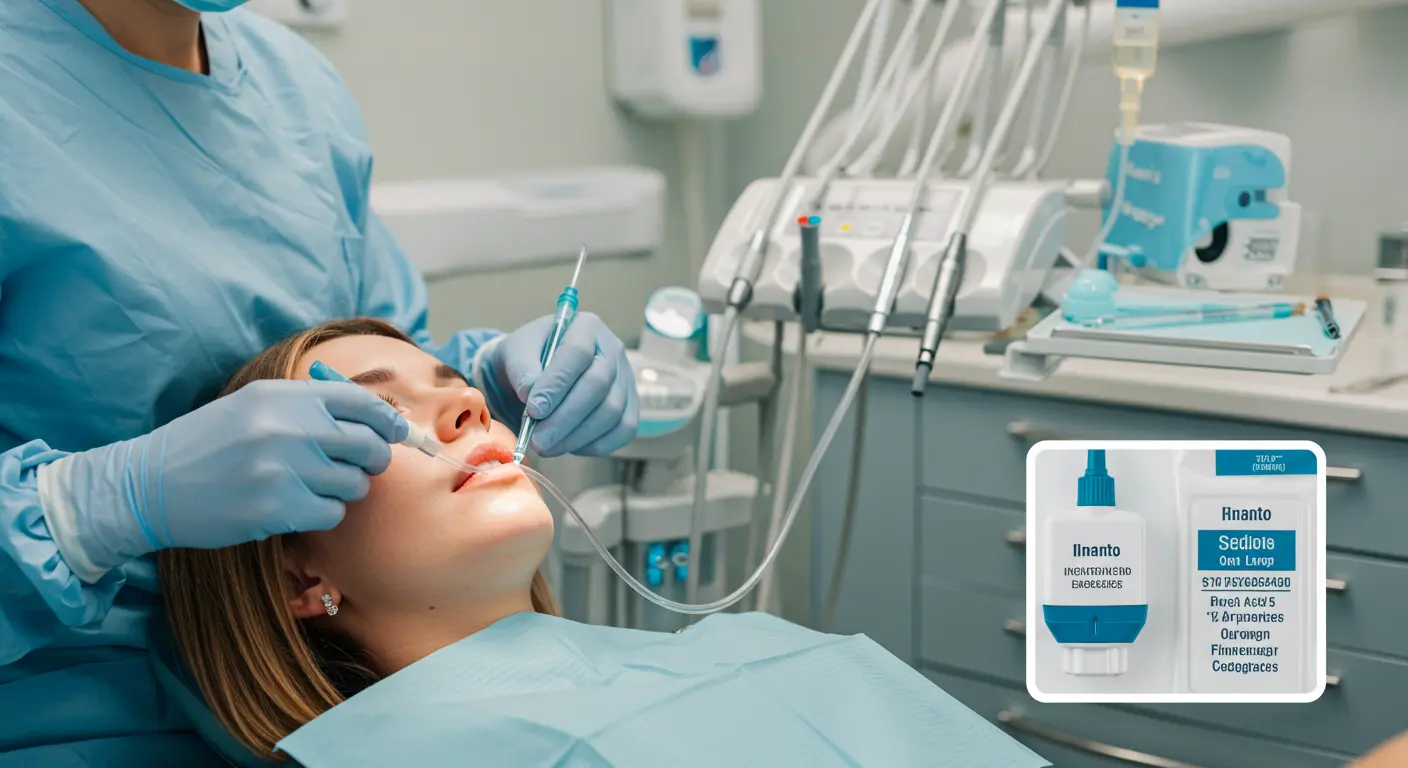
1. Nitrous Oxide (Laughing Gas)
Nitrous oxide is one of the most popular sedation methods for dental procedures due to its safety and quick onset. This gas is inhaled through a small mask placed over the nose and works rapidly to induce relaxation.
- Advantages:
- Quick Onset and Recovery: Effects are felt within minutes, and recovery is almost immediate once the gas is discontinued.
- Minimal Side Effects: Generally safe for most patients with minimal risk.
- Adjustable Sedation Levels: Can be easily adjusted to suit the patient’s level of anxiety.
- Usage: Often used during less invasive procedures or as an adjunct to other forms of sedation in implant surgery.
2. Oral Sedation
Oral sedation involves taking a prescribed medication before the dental procedure. Common medications include benzodiazepines, which help reduce anxiety and promote relaxation.
- Advantages:
- Ease of Administration: Taken as a pill, which is convenient and non-invasive.
- Effective Anxiety Reduction: Helps calm the patient and reduce fear associated with the procedure.
- Considerations:
- Variable Response: The effectiveness can vary based on the patient’s metabolism and the type of medication used.
- Duration: The sedative effect lasts longer than nitrous oxide, so recovery time might be slightly extended.
3. Intravenous (IV) Sedation
IV sedation delivers sedative medications directly into the bloodstream, resulting in a deeper level of sedation. This method is particularly useful for patients with severe dental anxiety or those undergoing longer, more complex implant surgeries.
- Advantages:
- Deep Sedation: Provides a high level of comfort, making the patient nearly unaware of the procedure.
- Controlled Dosage: The dentist can control the level of sedation throughout the procedure.
- Rapid Onset: The effects are almost instantaneous, which can be particularly reassuring for anxious patients.
- Considerations:
- Medical Supervision: Requires close monitoring by a qualified anesthesiologist or dentist trained in IV sedation.
- Post-Operative Recovery: Patients may need a recovery period before they can resume normal activities.
4. General Anesthesia
General anesthesia involves rendering the patient completely unconscious during the procedure. Although this method provides the highest level of sedation, it is typically reserved for extensive or multiple procedures due to its higher risk profile.
- Advantages:
- Complete Unawareness: Patients are entirely unconscious, ensuring zero discomfort during the procedure.
- Ideal for Complex Cases: Suitable for patients who require multiple procedures in one session.
- Considerations:
- Increased Risks: General anesthesia carries a higher risk of complications and requires thorough pre-operative evaluations.
- Longer Recovery: Patients may experience longer recovery times and need supervision post-procedure.
The Advantages of Sedation in Implant Surgery
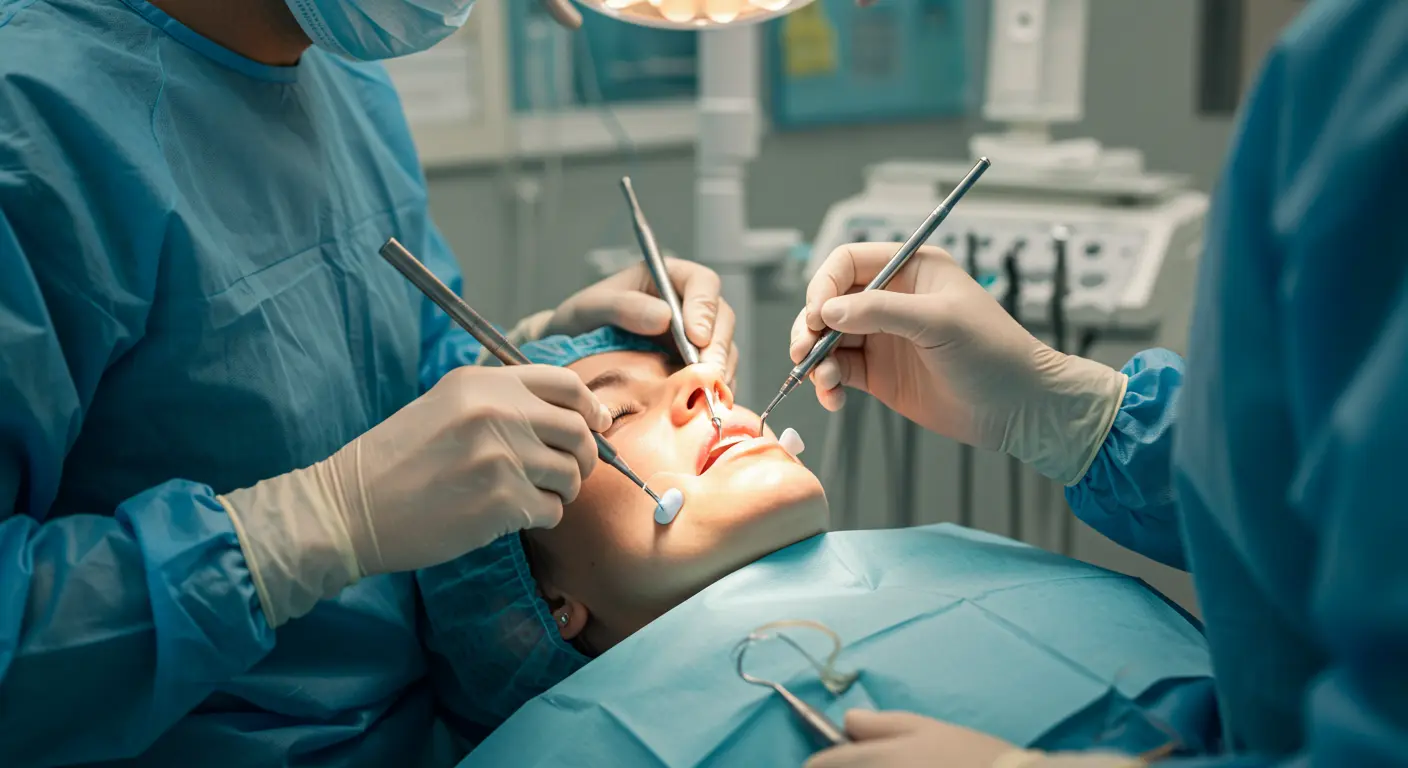
Enhancing the patient experience with proper sedation can lead to significant improvements in the overall success of dental implant procedures. Sedation options for anxiety-free implant surgery offer several advantages:
- Reduced Anxiety and Stress: Sedation helps patients relax, leading to smoother procedures and better cooperation during surgery.
- Improved Surgical Precision: When patients are calm, dentists can work more efficiently, reducing the chance of errors.
- Faster Recovery Times: Minimally invasive sedation techniques often result in shorter recovery periods, allowing patients to return to normal activities sooner.
- Enhanced Patient Satisfaction: Patients who undergo anxiety-free procedures report higher satisfaction levels and are more likely to return for future treatments.
Best Practices for Implementing Sedation in Implant Surgery
Pre-Operative Preparation
Proper pre-operative evaluation and planning are essential when using sedation for implant surgery:
- Medical and Dental Evaluation: A comprehensive review of the patient’s medical history, including any allergies, medications, and underlying health conditions, is crucial.
- Patient Consultation: Clear communication about the sedation options, potential risks, and benefits is necessary to set realistic expectations.
- Customized Sedation Plan: Tailor the sedation method to the patient’s level of anxiety, overall health, and the complexity of the implant procedure.
Intra-Operative Techniques
During the procedure, the following strategies ensure a safe and effective use of sedation:
- Monitoring: Continuous monitoring of vital signs (heart rate, blood pressure, oxygen levels) is essential to adjust sedation levels as needed.
- Minimally Invasive Techniques: Use of flapless surgery or computer-guided implant placement minimizes tissue trauma and enhances the effectiveness of the sedation.
- Team Coordination: A well-coordinated dental team, including an anesthesiologist when necessary, ensures that the patient remains comfortable and safe throughout the procedure.
Post-Operative Care
After the procedure, patients should follow a strict post-operative care regimen:
- Follow-Up Appointments: Regular check-ups to monitor healing and adjust any medications or sedation protocols as needed.
- Oral Hygiene Practices: Gentle brushing and flossing, along with the use of antiseptic mouth rinses, help prevent infections and promote healing.
- Activity Restrictions: Advise patients to avoid strenuous activities until fully recovered from the sedation effects.
- Patient Education: Provide comprehensive aftercare instructions, including signs of complications and when to seek medical attention.
Comparative Analysis: Sedation Options in Implant Surgery
To illustrate the differences between various sedation methods, consider the following comparative table:
| Sedation Method | Anxiety Reduction | Onset & Recovery | Risk Level | Ideal For |
|---|---|---|---|---|
| Nitrous Oxide | Moderate | Rapid onset, quick recovery | Low risk | Mild to moderate anxiety |
| Oral Sedation | Moderate to high | Slower onset, prolonged effect | Moderate risk | Patients with higher anxiety |
| IV Sedation | High | Immediate effect, fast control | Low to moderate risk (with monitoring) | Severe anxiety or longer procedures |
| General Anesthesia | Very high | Complete unconsciousness, long recovery | Higher risk | Extensive, complex procedures |
This table clearly demonstrates that choosing the right sedation option can significantly impact the overall success and patient satisfaction in dental implant surgeries.
The Role of Digital Technology in Sedation and Implant Surgery
Digital technology has transformed the dental industry, especially in procedures that involve sedation. Digital Smile Design (DSD), 3D imaging, and computer-guided surgery are integrated with sedation protocols to create a seamless, patient-friendly experience. These technologies:
- Provide accurate pre-operative planning, ensuring that the implant placement is precise.
- Allow for real-time adjustments during the procedure, enhancing safety and effectiveness.
- Help reduce the overall invasiveness of the procedure, making it easier for patients to recover.
By combining advanced sedation options with digital technology, dental professionals can deliver highly personalized and effective treatments that cater to the unique needs of each patient.
Addressing Common Concerns About Sedation in Implant Surgery
Is Sedation Safe?
Yes, when administered by experienced professionals in a controlled environment, sedation is generally safe. With continuous monitoring and customized protocols, the risks associated with sedation can be minimized significantly.
What Should I Expect During the Procedure?
Patients can expect a thorough consultation where the sedation options are discussed in detail. On the day of surgery, you will receive the chosen sedation method, and the procedure will be performed with precision using digital planning tools. Post-operative care will ensure a smooth recovery.
How Long Does the Sedation Effect Last?
The duration of sedation depends on the method used. For instance, nitrous oxide wears off quickly, while oral or IV sedation may require a few hours of recovery. Your dental team will guide you through the process and provide clear instructions for aftercare.
Future Trends in Sedation for Dental Implant Surgery
The future of dental implant surgery is bright, with ongoing research and technological advancements aimed at further reducing patient anxiety and improving outcomes. Emerging trends include:
- AI-Driven Sedation Protocols: Artificial intelligence can help predict patient responses and optimize sedation dosages for personalized care.
- Smart Monitoring Systems: Integration of advanced monitoring systems during surgery to provide real-time feedback on patient vitals and sedation levels.
- Enhanced Digital Integration: Continued improvements in digital planning and computer-guided surgery will make procedures even more precise and minimally invasive.
- Development of New Sedative Agents: Research into new medications that provide effective sedation with fewer side effects is ongoing, promising even better patient experiences in the future.
Conclusion
Sedation options for anxiety-free implant surgery are transforming the dental landscape, allowing patients to undergo complex procedures with minimal stress and discomfort. With the advent of advanced digital technologies, personalized treatment plans, and a range of sedation methods—from nitrous oxide to IV sedation—patients can now experience the benefits of dental implants without the associated anxiety. For individuals seeking immediate, lasting restoration of their smile, same-day dental implants combined with effective sedation offer a breakthrough solution.
If you’re considering dental implants and are concerned about dental anxiety, contact Smile Design NJ in Westfield, NJ, today. Our expert team is committed to providing personalized, state-of-the-art care that ensures a comfortable, anxiety-free experience. Schedule your consultation now and take the first step towards a healthier, more confident smile!


