A bright, white smile is often seen as a sign of good health and confidence. However, daily habits like drinking coffee, tea, and red wine, along with smoking, can lead to stained or yellowed teeth. Thankfully, there are numerous teeth whitening options available to restore your smile’s brilliance. This guide will cover the most popular whitening methods, their costs, and how to properly care for your newly whitened teeth.
Teeth Whitening Methods: Which Is Best for You?
When it comes to teeth whitening, there are multiple approaches you can choose from, each varying in effectiveness, cost, and convenience. Let’s explore the most common methods:
1. Professional In-Office Whitening
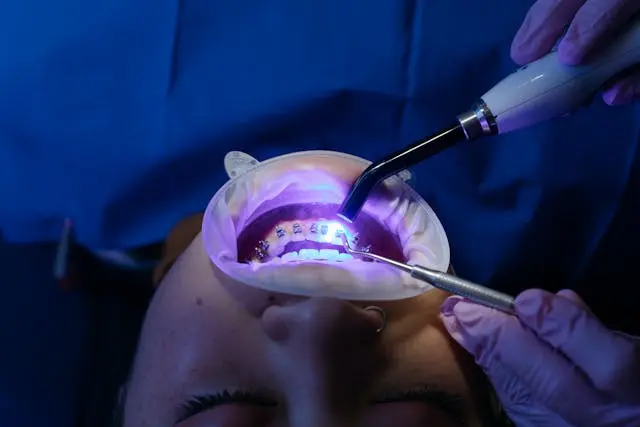
One of the fastest and most effective ways to whiten your teeth is through in-office treatments by a dentist. This method typically uses high-concentration bleaching agents like hydrogen peroxide. With the help of specialized light technology, dentists can provide dramatic results in just one visit.
- Effectiveness: Can whiten teeth by up to 8 shades in a single session.
- Treatment Time: 60-90 minutes.
- Cost: $300 to $1,000 depending on the clinic and the type of treatment.
2. At-Home Whitening Kits (Prescribed by Dentists)
These kits are a popular alternative to in-office treatments, offering a more affordable and convenient option. Dentists provide custom-fitted trays and professional-strength whitening gel, allowing you to whiten your teeth at home over a couple of weeks.
- Effectiveness: Up to 6 shades lighter in 1-2 weeks.
- Treatment Time: 1-2 weeks with daily use.
- Cost: $200 to $400.
3. Over-the-Counter Whitening Products
For those seeking a budget-friendly option, over-the-counter (OTC) products such as whitening strips, pens, and toothpaste are widely available. While these products can help remove surface stains, they are typically less effective than professional treatments.
- Effectiveness: Mild improvement (2-3 shades lighter).
- Treatment Time: 2-4 weeks.
- Cost: $20 to $100.
4. Natural Remedies
Some people turn to natural teeth whitening methods, like using baking soda or activated charcoal. While these methods are inexpensive, they are not scientifically proven to offer significant whitening and may damage enamel with long-term use.
- Effectiveness: Minimal to none.
- Treatment Time: Ongoing use required.
- Cost: $5 to $20.
Comparing Whitening Methods
| Method | Effectiveness | Time | Cost |
|---|---|---|---|
| Professional In-Office | High (6-8 shades) | 1 session | $300 – $1,000 |
| At-Home Kits (Prescribed) | Moderate (4-6 shades) | 1-2 weeks | $200 – $400 |
| OTC Whitening Products | Low (2-3 shades) | 2-4 weeks | $20 – $100 |
| Natural Remedies | Minimal | Continuous use | $5 – $20 |
Costs of Teeth Whitening: What to Expect
The cost of teeth whitening depends on the method you choose and where you live. Here’s a general breakdown of the costs:
- In-office treatments: $300 – $1,000.
- At-home kits from dentists: $200 – $400.
- OTC whitening strips/pens/toothpaste: $20 – $100.
- Natural remedies: $5 – $20.
Caring for Your Whitened Teeth: Maintenance Tips
After achieving the bright smile you want, it’s crucial to maintain the results to avoid future staining. Here are some key tips for keeping your teeth white:
- Avoid staining foods and drinks: Limit your intake of coffee, tea, red wine, and dark sodas, or use a straw to minimize contact with your teeth.
- Quit smoking: Smoking is one of the biggest causes of tooth discoloration.
- Practice good oral hygiene: Brush twice daily, floss regularly, and use whitening toothpaste to maintain your results.
- Regular dental cleanings: Schedule professional cleanings every six months to remove surface stains and maintain oral health.
Teeth Whitening FAQs
1. How long do whitening results last?
With proper care, professional whitening can last from 6 months to 2 years. OTC products generally provide shorter-lasting results.
2. Are teeth whitening treatments safe?
When done correctly, both professional and at-home whitening treatments are safe. Overuse or misuse can lead to tooth sensitivity and gum irritation, so it’s essential to follow directions carefully.
3. Can anyone get their teeth whitened?
Teeth whitening is generally safe for most people, but those with sensitive teeth, gum disease, or extensive restorations may not be suitable candidates. Consult with a dentist before starting any whitening treatment.
Is Teeth Whitening Right for You?
Choosing the best teeth whitening method depends on your goals, budget, and how quickly you want results. Whether you opt for professional treatments or over-the-counter products, understanding the benefits, costs, and care is essential to achieving a radiant, lasting smile. For the best results, always consult with your dentist to find the most effective and safest option for you.