

Top 15 FAQs About Dental Implants in New Jersey: Costs, Procedures, and More
Dental implants have revolutionized restorative dentistry, offering a durable and natural-looking solution for missing teeth. In New Jersey, the adoption of dental implants has been significant, with approximately 3 million individuals nationwide having received implants—a number that continues to grow by about 500,000 annually.
This comprehensive guide addresses the top 15 frequently asked questions about dental implants, providing valuable insights into costs, procedures, benefits, and candidacy specific to New Jersey residents. Whether you’re considering dental implants or seeking to expand your knowledge, this resource is designed to assist you in making informed decisions about your oral health.
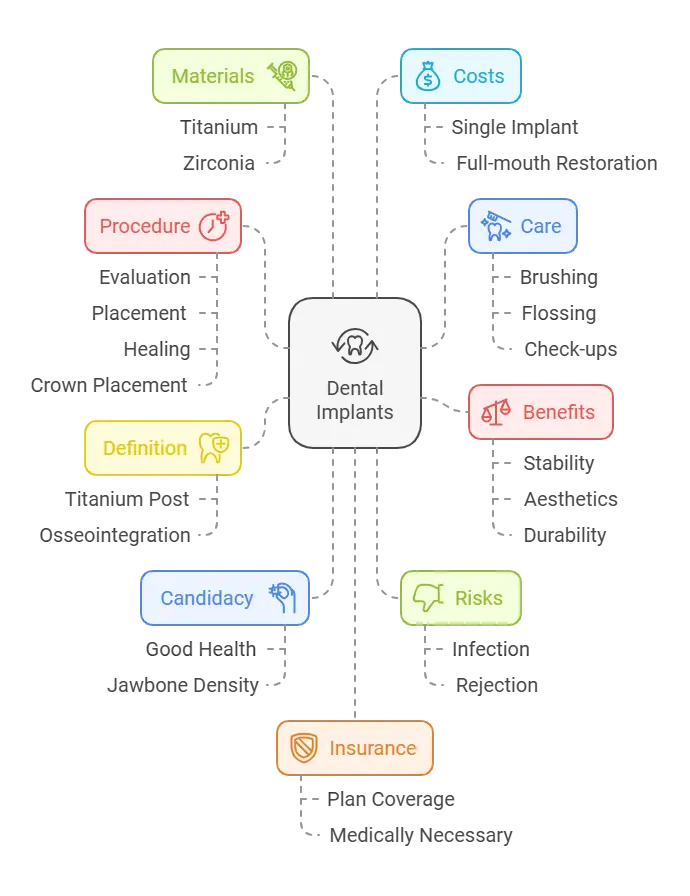
1. What is a dental implant? A dental implant is a small titanium post surgically inserted into the jawbone to act as the root of an artificial tooth. Over time, the implant integrates with the bone through a process called osseointegration, providing a stable foundation for a replacement tooth.
2. Who is a candidate for dental implants? Most individuals with good oral and general health are candidates for dental implants. It’s essential to have sufficient jawbone density to support the implant. A dental evaluation will determine each patient’s suitability.
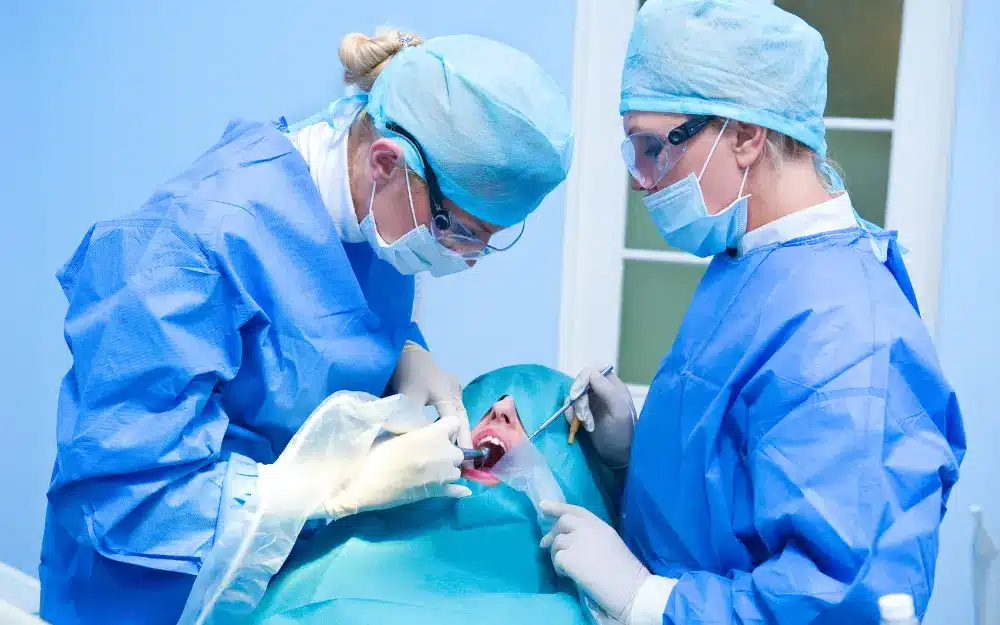
3. Is the dental implant procedure painful? The implant placement is performed under local anesthesia, minimizing discomfort during the procedure. Post-surgery, patients may experience mild discomfort, which can be managed with prescribed pain relievers.
4. How long does the dental implant process take? The entire process can vary but generally involves several stages:
- Evaluation and planning: Includes examinations and X-rays.
- Implant placement: Surgical procedure to insert the implant into the bone.
- Healing and osseointegration: A period of 3 to 6 months where the implant fuses with the bone.
- Crown placement: Once the implant is integrated, the final crown is placed.
5. What care do dental implants require? Implants should be maintained with proper oral hygiene, similar to natural teeth:
- Brushing twice a day.
- Daily flossing.
- Regular dental check-ups and professional cleanings. Additionally, it’s advisable to avoid harmful habits like smoking, as they can compromise the longevity of dental implants.
6. What advantages do implants offer over other options? Dental implants provide several benefits:
- Stability and comfort: Function like natural teeth.
- Bone preservation: Help prevent jawbone loss.
- Durability: With proper care, they can last a lifetime.
- Aesthetics: Offer a natural appearance and enhance the smile.
7. Are there risks or complications associated with dental implants? While the success rate of implants is high, complications can arise, such as infections, implant rejection, or damage to adjacent structures. It’s crucial to follow the dentist’s instructions and maintain good oral hygiene to minimize these risks.
8. What is the lifespan of a dental implant? With proper oral care and regular dental visits, dental implants can last several decades, even a lifetime. The longevity of the implant depends on factors like the patient’s overall health, bone quality, and adherence to oral hygiene practices.
9. Do dental implants require special care? Dental implants require regular oral hygiene practices, similar to natural teeth. This includes brushing twice a day, daily flossing, and attending regular dental check-ups. Additionally, it’s important to avoid habits like smoking, as they can compromise the durability of dental implants.
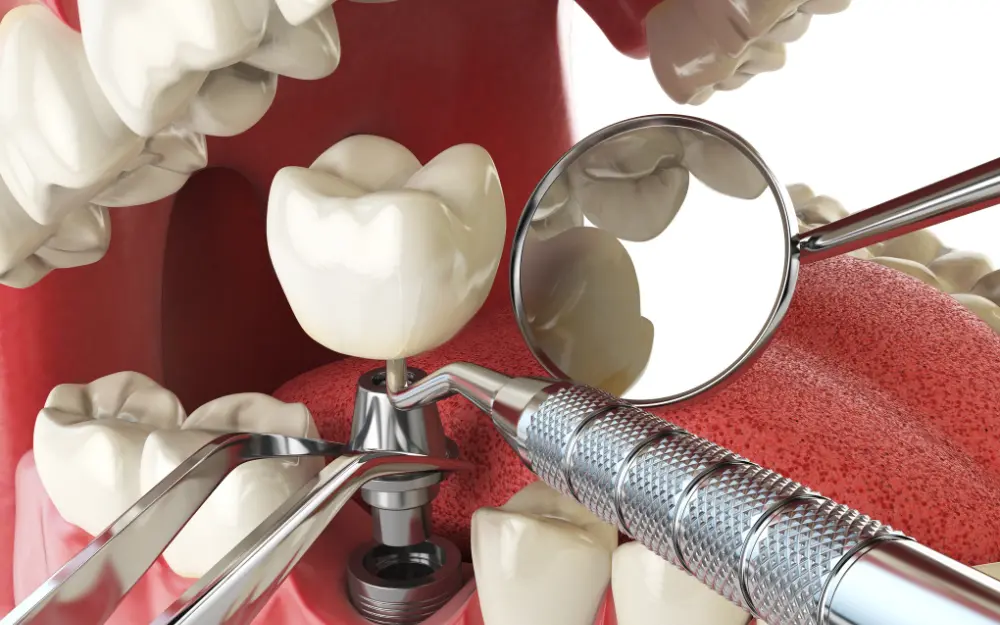
10. What materials are used in dental implants? Most implants are made of titanium, a biocompatible material that integrates effectively with the jawbone. Some alternatives use zirconia, especially for patients with metal allergies or for aesthetic reasons.
11. How much do dental implants cost in New Jersey? The cost of dental implants in New Jersey varies based on several factors, including the number of implants needed, the complexity of the procedure, and the dentist’s experience. On average, a single dental implant can cost between $1,500 and $5,000. For a full-mouth restoration, the cost can exceed $30,000.
12. Does insurance cover dental implants? Coverage for dental implants varies by insurance plan. Some dental insurance policies may cover a portion of the cost, especially if the procedure is deemed medically necessary. It’s advisable to consult with your insurance provider to understand your coverage.
13. What is the success rate of dental implants? Dental implants have a high success rate, averaging around 95%. This success is attributed to advancements in technology and the biocompatibility of implant materials.
14. Are dental implants suitable for seniors? Age is not a limiting factor for dental implants. Seniors in good health with adequate bone density can be excellent candidates for implants, offering improved quality of life and oral function.
15. How prevalent is tooth loss in New Jersey? Tooth loss is a common issue in New Jersey, mirroring national trends. Factors contributing to tooth loss include age, smoking, and socioeconomic status. Addressing tooth loss promptly with solutions like dental implants can prevent further oral health complications.
It’s important to consult with a dental professional in New Jersey to obtain personalized information and address any specific concerns about dental implants.


